

 See My Latest Article on HelloNation
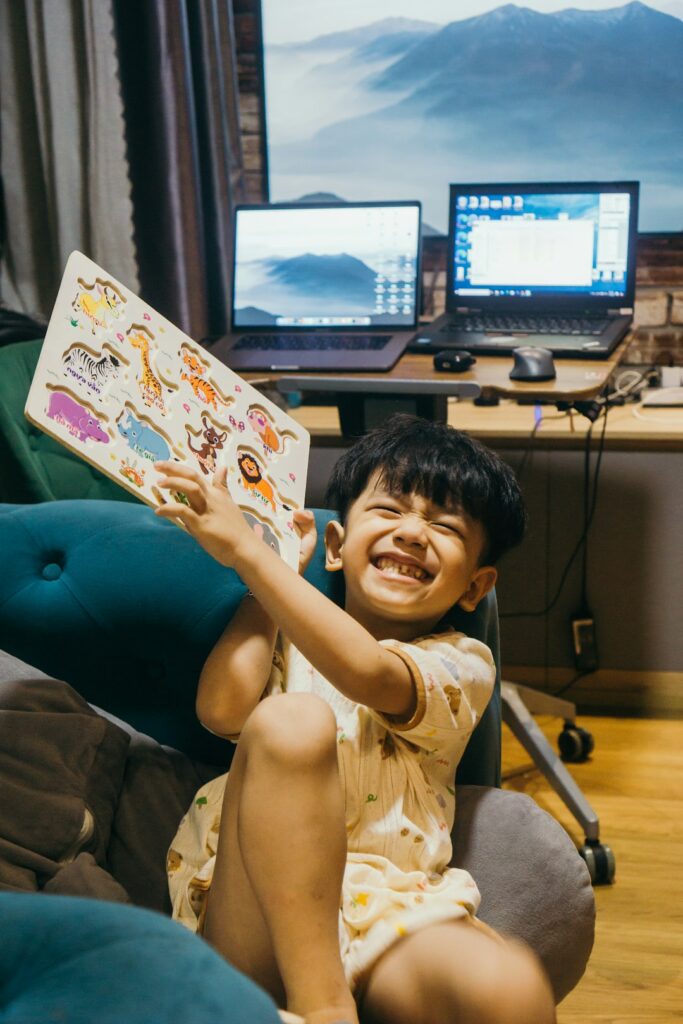
Hebrew children’s cartoons can give young learners useful listening practice, familiar vocabulary, and a gentle introduction to Hebrew sentence patterns. For families in Englewood, NJ, short, carefully chosen programs can fit well into after-school routines, weekend learning, or quiet indoor time during colder months.
Cartoons are not a complete Hebrew curriculum. Their greatest value is as a source of repeated, understandable language that children hear in meaningful situations. With the right expectations and a little adult guidance, animated programs can support both heritage-language learning and beginner study.
What can children learn from Hebrew cartoons?
Children can develop listening familiarity before they understand every word. Repeated phrases, visual action, expressive voices, and predictable storylines help learners connect Hebrew sounds with meaning.
Cartoons may reinforce:
- Greetings and polite expressions
- Numbers, colors, animals, and family words
- Everyday verbs such as eat, go, sleep, open, and play
- Questions and short answers
- Emotional vocabulary, including happy, worried, tired, and surprised
- Basic sentence patterns and word order
- Hebrew pronunciation and rhythm
A child may not remember a full sentence after one viewing. However, hearing the same expression across several episodes can make the phrase easier to recognize and eventually use.
For beginning learners, comprehension matters more than translating every line. A child who understands that a character is looking for a toy, preparing food, or getting ready for bed is already using context to interpret Hebrew.
What kind of cartoon is best for a beginner?
The most useful program is usually short, visually clear, and built around familiar situations. A simple story with repeated language is often more helpful than a fast-paced adventure with complex dialogue.
Look for cartoons that include:
- Clear speech and moderate pacing
- Short episodes, ideally under fifteen minutes for younger beginners
- Frequent repetition of key words and phrases
- Visual clues that match the dialogue
- Everyday settings such as home, school, a playground, or a park
- Songs or rhythmic language used in moderation
- Characters who express meaning through actions and facial expressions
Programs designed for very young Hebrew-speaking children can be useful even when the learner is older, because the language is often concrete and repetitive. Families should judge the material by language level rather than by the child’s age range alone.
A cartoon may be entertaining but still unsuitable for language learning if characters speak rapidly, use heavy slang, or rely on complicated jokes. More dialogue is not necessarily better. Comprehensible dialogue is the goal.
Should children watch with English subtitles?
English subtitles can help older learners and adults, but they are not always useful for young children. When subtitles move quickly, children may spend more time reading English than listening to Hebrew.
For early learners, consider this progression:
1. Watch a short segment with no subtitles and focus on the story.
2. Watch it again while an adult briefly explains one or two important words.
3. Rewatch the same segment and invite the child to recognize repeated phrases.
4. Use Hebrew captions later, if the child can read Hebrew comfortably.
Translation should support comprehension without replacing listening. An adult might pause and say, “The character is looking for the ball,” then continue the Hebrew program. Lengthy explanations can interrupt the natural flow and make the activity feel like a test.
How often should children watch?
Short, regular exposure is generally easier to sustain than occasional long viewing. Ten minutes several times a week can provide useful repetition, especially when the same episode is watched more than once.
A practical home routine might look like this:
- Choose one short episode for the week.
- Watch it once for enjoyment.
- Rewatch it on another day and identify three familiar words.
- Ask the child to act out one phrase or scene.
- Use one expression from the episode during an ordinary activity.
For example, a phrase about opening a door can be reused during play. A greeting from the program can become part of the family’s morning routine. This connection between screen language and real life helps children understand that Hebrew is used for communication, not only for lessons.
Families with busy schedules may find that weekend viewing works best. In apartment homes and denser residential settings, keeping the volume moderate and using a shorter episode can also make language practice easier to fit into shared household routines.
How can parents make cartoons interactive without making them stressful?
Parents do not need advanced Hebrew to support learning. Simple participation is often enough.
Before viewing, introduce one or two words using an object, picture, or gesture. During the episode, avoid interrupting every unfamiliar phrase. Afterward, ask questions that can be answered through pointing, acting, or a single word.
Useful prompts include:
- “Where is the cat?”
- “Who is eating?”
- “What color is the ball?”
- “Can you show me the door?”
- “Which word did you hear more than once?”

Children should not be required to repeat every sentence. Some learners prefer to listen quietly for a long time before speaking. That silent period can be a normal part of language development.
Praise effort and recognition rather than accuracy alone. If a child uses a Hebrew word with an imperfect ending or pronunciation, a parent can repeat the sentence naturally instead of stopping the activity for correction.
Are songs and animated stories equally helpful?
Songs are useful for pronunciation, rhythm, and memorizing short phrases. Their repetition can help children remember greetings, body parts, numbers, or daily routines. However, songs may use unusual word order or shortened forms, so they should not be the only source of language.
Animated stories provide more ordinary conversation and clearer connections between words and actions. A balanced routine can include both:
- Songs for repetition and pronunciation
- Stories for listening comprehension
- Simple conversation for transferring new words into daily life
A song may help a child remember a word, while a story shows how that word functions in a sentence.
Can cartoons replace Hebrew classes or conversation?
No. Cartoons provide input, but children also need opportunities to respond, ask questions, and hear language adapted to their own level. A program cannot identify what a particular child understands or adjust its vocabulary in real time.
Cartoons work best alongside other forms of exposure, such as:
- Reading picture books in Hebrew
- Playing with Hebrew labels or picture cards
- Cooking or crafting with simple Hebrew instructions
- Speaking brief Hebrew phrases during familiar routines
- Listening to an adult tell a short story
- Participating in age-appropriate Hebrew learning activities
For heritage-language families, cartoons can help maintain familiarity between conversations. For beginners, they can make Hebrew sound less unfamiliar and build confidence before live interaction.
What common mistakes should families avoid?
The most common mistake is expecting immediate speaking. Listening comprehension often develops first, and children may need repeated exposure before they use new language independently.
Other problems include:
- Choosing content that is too advanced
- Switching episodes constantly instead of repeating useful material
- Treating viewing as a vocabulary quiz
- Correcting pronunciation too often
- Leaving a program playing in the background without shared attention
- Assuming that passive screen time produces steady language growth
A calm, predictable routine usually works better than pressure. The purpose is to make Hebrew understandable, familiar, and connected to enjoyable experiences.
For households in Englewood, cartoons can be especially practical during rainy afternoons, winter indoor time, or busy weeks when a longer learning activity is not realistic. A short episode, repeated thoughtfully and connected to ordinary family conversation, can become a manageable part of a child’s Hebrew exposure.