

 See My Latest Article on HelloNation
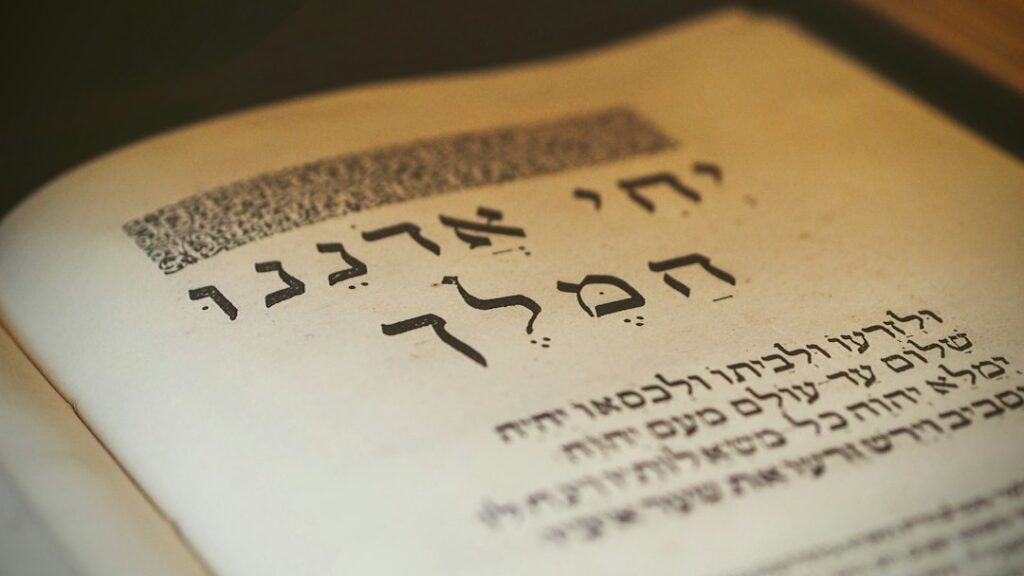
Learning to pronounce Hebrew at home in Englewood, NJ can be practical, quiet, and affordable. A short daily routine—focused on listening, repeating, recording, and correcting one sound at a time—usually produces better results than occasional long study sessions.
Hebrew pronunciation involves more than memorizing the alphabet. Learners must become familiar with sounds that may not exist in English, differences between similar consonants, vowel patterns, and the rhythm of spoken phrases. The goal is not instant perfection. It is steady improvement through careful listening and repeated use.
Which Hebrew pronunciation system should you practice?
Before beginning, choose a consistent pronunciation model. Modern Israeli Hebrew and traditional synagogue pronunciations may differ in certain consonants, vowels, and word endings. Neither approach is automatically “more correct”; the main concern is consistency.
A learner studying Modern Hebrew should use recordings from a dependable course, teacher, library resource, or educational audio program that follows that system. Someone preparing for prayer or Torah reading may need a different pronunciation guide.
Avoid mixing systems during the early stages. For example, changing the pronunciation of a letter from one lesson to the next can make it difficult to build reliable muscle memory. Write a brief note at the front of a notebook identifying the pronunciation model being followed.
How should beginners practice Hebrew sounds?
Start with individual consonants before moving into complete words. Hebrew includes several sounds that require attention to the throat, tongue, lips, or airflow.
Useful categories include:
- Guttural sounds: Letters such as ח and ע may involve the back of the throat or a deeper placement than English speakers expect.
- Fricatives: Sounds such as כ or ח require controlled airflow rather than a simple stop.
- Emphatic or traditionally distinct consonants: Letters such as ט and ת may be pronounced alike in Modern Hebrew, while other traditions preserve more differences.
- R sounds: The Hebrew ר may not match the English “r.” Its exact sound can vary by pronunciation tradition.
- The letter ה: This is usually a light “h” sound and should not be dropped automatically at the beginning of a word.
Practice each sound in three stages:
1. Produce the sound by itself.
2. Add a vowel, such as “a,” “e,” or “o.”
3. Use the sound in a short word.
Do not force a painful or harsh throat sound. A correct sound should feel controlled, not strained. If the throat becomes sore, stop and return to gentle listening and repetition.
How can the Hebrew alphabet help with pronunciation?
The Hebrew alphabet provides a visual structure, but the letter name is not always the same as the sound used inside a word. Learn the most common sound associated with each letter, then observe how the sound changes in actual vocabulary.
Create a three-column practice page:
| Letter | Approximate sound | Example word |
|—|—|—|
| ב | b or v, depending on the dot | בַּיִת |
| כ | k or a softer throat sound | כֶּלֶב |
| פ | p or f, depending on the dot | פֶּה |
| ש | sh or s, depending on the dot | שָׁלוֹם |
The dot inside certain letters, called a dagesh, can affect pronunciation. Beginners do not need to memorize every grammatical rule immediately, but they should notice that the same letter may represent different sounds.
Final letter forms are another visual issue. ך, ם, ן, ף, and ץ appear at the ends of words, but their pronunciation is connected to the regular form of the same letter. Treating them as entirely new sounds can create unnecessary confusion.
What is an effective daily routine?
A focused routine of 10 to 15 minutes is enough for meaningful practice. A simple sequence works well:
- Two minutes: Listen to a short recording without speaking.
- Three minutes: Repeat individual sounds and syllables.
- Four minutes: Read five to ten familiar words aloud.
- Three minutes: Practice one short sentence.
- Two minutes: Record a final attempt and compare it with the model.
Use the same small set of words for several days. Changing vocabulary constantly may feel productive, but repetition is what helps the mouth and ear coordinate.
Practice in a quiet room when possible. In apartment buildings or closely spaced homes, a normal speaking volume is usually sufficient. Whispering is not ideal because it changes airflow and makes some consonants harder to hear. A calm, moderate voice produces more useful feedback without disturbing other household members.
Should Hebrew be practiced by reading, listening, or recording?
All three skills matter, but listening should come first. Pronunciation improves when the ear can recognize the difference between the intended sound and the learner’s version.
Use this cycle:
1. Hear the word.
2. Look at the written form.
3. Repeat the word slowly.
4. Repeat it at a natural pace.
5. Record the result.
6. Compare the recording with the original.
A phone or computer recording can reveal habits that are difficult to notice while speaking, such as dropping a final consonant, adding an English vowel, or making every syllable equally strong.
Avoid judging the entire performance at once. Choose one target, such as the Hebrew ר, the distinction between כ and ק, or the vowel in a particular syllable. Correcting one feature at a time makes progress easier to measure.
How can English speakers avoid common pronunciation mistakes?
English speakers often insert extra vowel sounds between consonants. A Hebrew word with two adjacent consonants may therefore sound longer than it should. Practice keeping the word compact and avoid adding an automatic “uh” sound.
Another common issue is applying English stress patterns. Hebrew words often have a different rhythm, and many words receive emphasis toward the final or next-to-final syllable. Listening to complete phrases is more useful than relying only on English spelling comparisons.
Additional mistakes include:
- Pronouncing every ח like the English “h.”
- Treating כ and ק as identical without learning the chosen pronunciation model.
- Replacing Hebrew ר with an English “r” automatically.
- Ignoring vowel signs when learning to read.
- Practicing only isolated letters and never using connected speech.
- Speaking too quickly before the sounds are stable.

Transliteration can help at the beginning, but it should not become a permanent substitute for Hebrew letters. English spellings often hide important distinctions and may represent the same Hebrew sound in several ways.
How do vowels and niqqud support pronunciation?
Niqqud, or Hebrew vowel markings, can help beginners connect letters with spoken patterns. Use marked texts during the early stages, especially when learning prayers, children’s reading passages, or basic vocabulary.
Read each word slowly while identifying the vowel pattern. Then cover the markings and try again. This gradually builds recognition without making the learner dependent on visual symbols.
Vowels should be practiced as part of syllables rather than as isolated English equivalents. A Hebrew vowel may resemble an English sound in one context but not behave exactly like an English vowel. Listening to a reliable model remains more accurate than matching Hebrew vowels to familiar English spellings.
How can families practice together at home?
Family practice works best when it is brief and low-pressure. One person can read a word, another can repeat it, and a third can listen for a specific target sound. Children may enjoy sound-matching games, while adults may prefer reading a short dialogue or prayer passage.
A useful household activity is the “same word, three speeds” exercise:
- Say the word slowly.
- Say it at a comfortable conversational pace.
- Use it in a sentence.
Keep correction specific and respectful. Instead of saying “That sounds wrong,” identify the adjustment: “Keep the throat sound lighter,” or “Try not to add a vowel between those two consonants.”
Seasonal routines can also help. During colder months, when windows are closed and more time is spent indoors, a short after-dinner practice may be convenient. During warmer weather, a quiet outdoor setting can provide a change of atmosphere, provided background noise does not interfere with listening.
How can progress be measured?
Keep a dated pronunciation log with three details: the sound practiced, the words used, and one observation from the recording. Review the same words every few weeks rather than relying on memory.
Progress may appear as:
- Fewer pauses between syllables.
- More consistent vowel sounds.
- Better recognition of similar consonants.
- Less dependence on transliteration.
- Greater comfort reading short phrases aloud.
- Improved ability to understand familiar words when spoken by someone else.
Pronunciation develops gradually because it involves hearing, breath control, tongue placement, and memory at the same time. Regular home practice, supported by careful listening and realistic goals, can make Hebrew reading and conversation clearer and more comfortable.