
 See My Latest Article on HelloNation
What Are the Basics Someone Should Know Before Learning Hebrew?
Getting started with Hebrew can feel challenging for local residents, but understanding just a few fundamentals sets a strong foundation. Hebrew is a Semitic language written from right to left, with its own unique script and sounds not found in English. Many beginners are surprised by the necessity to recognize new letters, vowel markings, and a different sentence structure.
Englewood households with Jewish heritage may have access to Hebrew texts or traditions in their daily lives, but anyone can start learning, regardless of background. Unlike some languages, spoken and written Hebrew differ slightly, especially in modern (conversational) versus ancient (biblical or liturgical) forms. Most new learners in the city will be aiming for Modern Hebrew, as used in Israel and many synagogues today.
How Can Residents Practice the Hebrew Alphabet and Pronunciation Effectively?
Practice with the Hebrew alphabet—called the Aleph-Bet—is the first real hurdle. Residents can start by writing letters with a pen and paper, repeating sounds, and labeling household objects with Hebrew words.
- Try saying each letter aloud daily until the sounds and forms are familiar
- Use notecards for common letters or vowel signs (nikkud)
- Practice writing letters from right to left, which feels odd at first but becomes natural with repetition
Some households in Englewood display mezuzahs or other items with Hebrew writing, providing everyday opportunities to recognize letters. Regular exposure, even on synagogue signs or in community bulletins, can reinforce learning naturally.
Are There Free or Low-Cost Resources for Local Learners?
Yes, a variety of resources are available that do not require a financial commitment. The local library system often offers books—both print and digital—ranging from children’s primers to adult workbooks. Online tools, such as YouTube video lessons, interactive mobile apps, and downloadable worksheets, are widely accessible and suit different learning preferences found among Englewood residents.
Many people overlook:
- Public domain texts (like beginner Torah readers for adults and children)
- Free mobile flashcard systems for vocabulary
- Community discussion boards focused on language learning
While some may think formal classes are the only route, self-study using library assets and online exercises effectively supports gradual progress.
How Long Does It Usually Take to Learn Basic Conversational Hebrew?
The time frame depends on personal study habits, but many find that after a few months of regular 10-20 minute sessions, they can introduce themselves, manage greetings, and read simple signs. Englewood’s diverse population ensures plenty of opportunity for casual practice with neighbors or at community events where Hebrew might be heard.
Pacing does not need to be rushed. Consistent, small daily steps lead to real retention. Even basic skills—like recognizing words on community flyers or reading a prayer book—can build measurable confidence.
What Are Common Mistakes Beginners Make With Hebrew and How Can They Be Avoided?
A common misconception is that Hebrew can be learned by memorizing dictionary lists alone. Real proficiency comes from a mix of reading, listening, speaking, and writing.
Other frequent mistakes include:
- Ignoring the directionality of writing, leading to errors in forming words
- Over-reliance on transliteration (writing Hebrew with English letters), which can delay familiarity with the true script
- Underestimating the importance of vowels, which are often omitted in everyday writing but crucial for beginners
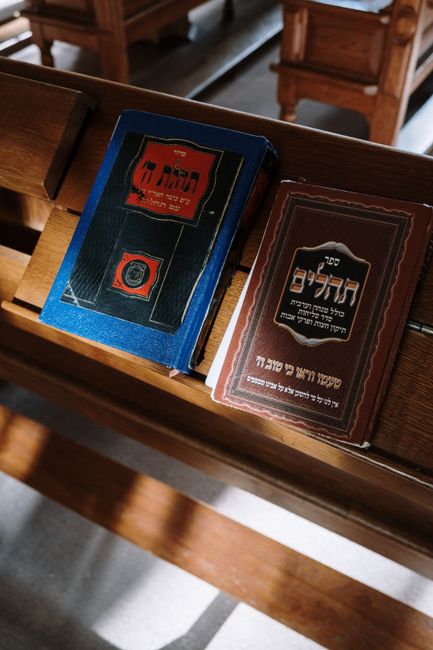
Residents benefit from immersing themselves in as much authentic written and spoken Hebrew as possible—even labeling fridge items, repeating radio phrases, or reading bilingual prayer books used in area synagogues.
Is It Necessary to Learn Biblical and Modern Hebrew Separately?
For most adults and students learning in Englewood, modern usage is sufficient for basic communication and travel. However, those interested in religious texts or liturgical practices will encounter biblical forms and likely want to explore both. The grammar and vocabulary sometimes differ, but a modern foundation supports easier exploration of older forms later.
Children enrolled in area educational programs may encounter both, but for independent adult learners, starting with modern Hebrew is generally more practical. Ancient texts used in community services or heritage events can be approached gradually, after building core reading skills.
Are There Local Habits or Community Opportunities That Can Help Practice Hebrew?
For those living in the city, certain seasonal or cultural events can make practice more relevant and engaging. Attending public talks or open holiday celebrations, using Hebrew phrases in greetings, or joining community reading groups are useful ways to reinforce learning.
Some households read Hebrew during holiday seasons—such as lighting Hanukkah candles or conducting Passover Seders—offering natural moments to practice aloud, even with basic words. In neighborhoods with visible Hebrew signage or community event flyers, simply pausing to decode these messages can be practical real-world training.
When winter brings more indoor time, area residents often find it easier to commit to a regular study routine, whether that means setting aside a moment each evening for a lesson, or involving family members in group practice.
What Support Can Local Families Give to Children Learning Hebrew?
Families in Englewood can encourage children by integrating small Hebrew reading exercises into daily routines—noticing letters in storybooks, sharing simple songs, or displaying the Aleph-Bet chart at home. Creating a supportive, curiosity-driven environment reduces stress and builds lasting language interest, especially for young learners in pre-K or elementary ages.
It’s both common and helpful for children to see Hebrew as a living language, not just a ritual one. Letting kids help plan holiday celebrations, make name tags for household items, or play language games makes the process feel friendly and achievable.