

 See My Latest Article on HelloNation
How Are Modern and Biblical Hebrew Different?
Modern and Biblical Hebrew share the same roots, but key differences set them apart in daily usage, grammar, and context. Locals in Englewood, NJ who study Hebrew for cultural, religious, or educational reasons often wonder how these two forms of the language relate to each other.
Why Do People Study Both Types in Englewood?
Many area households have ties to religious practices, local synagogues, or Hebrew schools where Hebrew language learning is part of the curriculum. Biblical Hebrew is essential for understanding ancient texts, including prayers and Torah portions, while Modern Hebrew is widely used in conversation, travel, and communication with Israelis.
Learning both gives students and families a fuller connection to Jewish history, tradition, and the wider world.
What Is the Main Purpose of Each Form?
Biblical Hebrew is the language of historical and sacred texts. It is not typically spoken in everyday life. Modern Hebrew, by contrast, is the official language of the State of Israel and is used for contemporary conversation and writing.
Practical outcomes drive the purpose:
- Biblical Hebrew: Reading and understanding the Torah, Prophets, Psalms, and ancient documents.
- Modern Hebrew: Speaking with people in Israel, reading Israeli news, and participating in modern culture.
How Do Grammar and Vocabulary Differ?
The grammar rules and word choices set these two forms apart. In Biblical Hebrew, sentence structure often follows patterns that can seem unusual to modern speakers. The vocabulary also contains many words that are either obsolete or have shifted in meaning.
Key differences include:
- Verb system: Biblical Hebrew verbs have more complex forms, including rare conjugations. Modern Hebrew simplifies many of these forms, making everyday speech more direct.
- Vocabulary: Modern Hebrew uses words for technology, science, and daily life that didn't exist in biblical times. Some ancient words are rarely used today outside of religious study.
- Pronunciation: The sounds of some letters and vowels differ, especially between Israeli Modern Hebrew and traditional biblical pronunciation.
Is the Script the Same Today?
Both forms use the Hebrew alphabet, but writing styles have evolved. The block script familiar to many local learners in the city is standard for both forms in printed texts. However, the pronunciation marks (nikud) that appear in many biblical texts to guide readers are often omitted in modern newspapers, books, and correspondence.
Can Someone Who Learns Modern Hebrew Understand the Bible Easily?
A person fluent in Modern Hebrew will recognize the alphabet and some words, but Biblical Hebrew can still be challenging. The text structure, idioms, and ancient words used in the Bible may feel unfamiliar or confusing without additional study. Many learners in Englewood begin with Modern Hebrew for practical communication and later study Biblical Hebrew when focusing on scriptural understanding.
What Are Common Misconceptions Among Residents?
A few misunderstandings surface regularly in local discussions and among Hebrew learners:
- Thinking Modern Hebrew is just a "new version" of the old one. In fact, Modern Hebrew was revived and adapted, incorporating influences from European languages and Arabic.
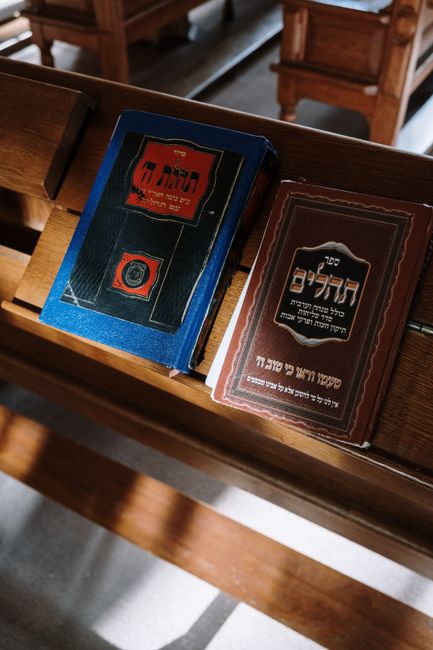
- Assuming the two are interchangeable. A prayer book from a local synagogue uses Biblical Hebrew, while a Israeli newspaper uses Modern Hebrew. Reading one does not automatically mean fluency in the other.
- Believing Biblical Hebrew is impractical. For those interested in religious heritage, ancient poetry, or traditional blessings, it plays a valuable local role.
How Do Families and Educators Approach Both Forms in the City?
Many students attending Hebrew schools or after-school programs in Englewood begin with simple Modern Hebrew, focusing on greetings, basic conversation, and cultural topics. Biblical Hebrew often becomes part of the curriculum as children prepare for bar and bat mitzvah readings, Torah study, or deeper engagement with Jewish texts.
For multigenerational households or community groups, this approach helps bridge different uses of language—supporting both practical needs and cultural connections.
What Support Exists Locally for Each Form?
Synagogues, community centers, and educational programs in Englewood often dedicate time to both forms. Families may encounter resources like prayer books, Torah study guides, bilingual dictionaries, and local classes tailored to distinct learning goals. This balance responds to the diverse backgrounds and interests of area residents while respecting the richness of the Hebrew language tradition.
Are There Tips for Choosing Which Form to Study First?
Choosing between Modern or Biblical Hebrew depends on the learner's goals:
- For conversational or travel purposes, Modern Hebrew is recommended.
- For understanding prayers, Torah readings, and religious rituals, starting with Biblical Hebrew is helpful.
Local educators often guide families based on a child's age, current interests, and whether their immediate needs are social or religious.