

 See My Latest Article on HelloNation
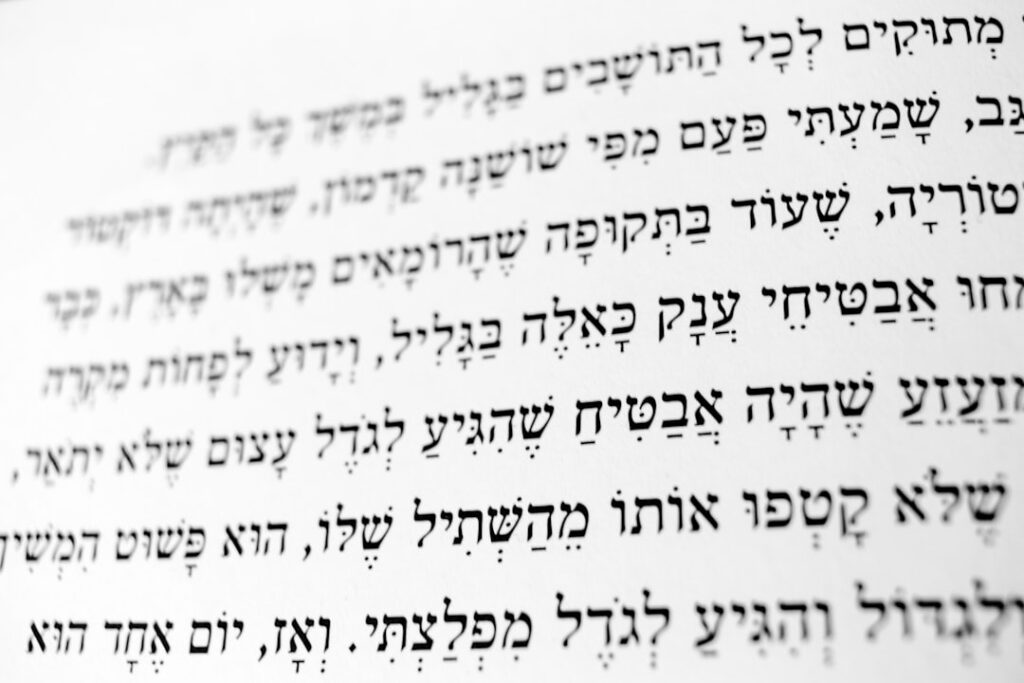
Why Does Hebrew Read Right to Left?
Hebrew stands apart from many languages due to its right-to-left reading direction. This pattern is rooted in ancient writing practices and continues to give Hebrew a distinct feel, especially for residents in Englewood, NJ where English and other left-to-right languages dominate. While it may seem unusual at first glance, the right-to-left format has practical and historical origins that shape every aspect of using and learning Hebrew today.
How Did Right-to-Left Text Develop in Hebrew?
This direction dates back thousands of years. Early Semitic scripts, including Phoenician and Aramaic, used similar writing patterns that likely aligned with the tools available—ancient scribes held chisels or styluses in their stronger (usually right) hand, naturally inscribing from right to left. As the Hebrew alphabet developed alongside these scripts in the ancient Near East, it preserved this tradition. Today, that ancient convention is still seen in every modern Hebrew book, road sign, and prayer.
What Makes Right-to-Left Reading Unique for Community Members?
For area households used to English print, experiencing Hebrew’s script can be an adjustment. Right-to-left text impacts several aspects of daily interaction and communication. Key differences include:
- Hebrew books and newspapers open with the spine on the right, reversing the typical English layout.
- Computer interfaces, email applications, and word processors require special settings to display Hebrew correctly.
- Handwriting exercises for students in Englewood reflect this direction, which affects everything from tracing letters to aligning homework on the page.
These differences often surprise newcomers to Hebrew, especially younger students who are simultaneously navigating English and Hebrew environments in the city’s schools or community programs.
How Do Residents Adjust to Reading and Writing Right to Left?
Most learners find that adaptation is a gradual process. The brain quickly builds new reading patterns, especially in children exposed to Hebrew regularly. Local experience shows that:
- Starting with large, clearly marked texts helps the eyes track correctly from the right side of the page.
- Using bilingual storybooks that pair Hebrew with English on facing pages can smooth the learning curve.
- Labeling household items or creating family calendars in Hebrew offers practical reinforcement.
- Familiar activities—such as filling out forms in community centers—become easier as right-to-left routine is established.
Practicing with common Hebrew signage found in Englewood synagogues or community events provides additional context for residents, helping the unfamiliar format feel less intimidating over time.
Do All Languages Use the Same Reading Direction as Hebrew?
No—this is a frequent misconception. While Hebrew, Arabic, and a few other scripts (like Persian) are read right to left, most world languages, including English, Spanish, and Russian, go from left to right. Some East Asian languages, including traditional forms of Chinese and Japanese, are written vertically, showing that reading direction depends on cultural and historical development, not ease or efficiency.
For neighbors in Englewood, knowing this can help make sense of differences children or adults encounter between Hebrew study and other language experiences.
How Does Right-to-Left Impact Technology and Everyday Use?
Englewood residents using digital devices must adjust settings to enable Hebrew text, or risk reversed letters and formatting problems. This affects:
- Email clients: Hebrew text may appear disconnected or in the wrong order, especially when mixing with English.
- Web browsing: Not every website supports Hebrew, which leads to display challenges with right-to-left texts.
- Smartphones and tablets: Language and keyboard options need to be activated in device settings for smooth typing.

Local learners find that schools and community resources often provide guidance on configuring devices correctly, especially in shared or multilingual households.
Are There Any Practical Benefits to Right-to-Left Reading?
While many features of Hebrew’s script reflect tradition, some benefits are evident for area learners:
- Students gain greater mental flexibility by switching reading directions, strengthening cognitive skills.
- Bilingual signage in the community promotes inclusiveness and develops awareness of different communication styles.
- Handwritten Hebrew naturally flows from the dominant right hand to the left, which some historically believed reduced smudging for right-handed writers.
These aspects help make learning Hebrew an intellectually enriching experience, even when the reading pattern feels unfamiliar at first.
What Are Common Misunderstandings About Hebrew’s Writing Direction?
Community members sometimes believe Hebrew is “backwards” or more difficult solely because of its direction. In reality, the orientation is simply different—neither better nor worse than left-to-right systems. Additionally, some assume Hebrew punctuation or numerals reverse direction as well. In fact, punctuation generally follows modern conventions, while numbers in Hebrew texts are typically written left to right, just like in English.
Understanding these nuances prevents frustration, particularly for families balancing both English and Hebrew in the home.
Why Is Hebrew’s Unique Direction an Important Part of Cultural Identity?
Reading and writing from right to left is more than a functional difference—it plays a role in cultural continuity for Jewish life in Englewood. The directionality of sacred texts, historical documents, and everyday language use strengthens connections to heritage and tradition. This is meaningful for both lifelong speakers and newcomers, as it links the community to a rich tapestry of global Jewish experience.