

 See My Latest Article on HelloNation
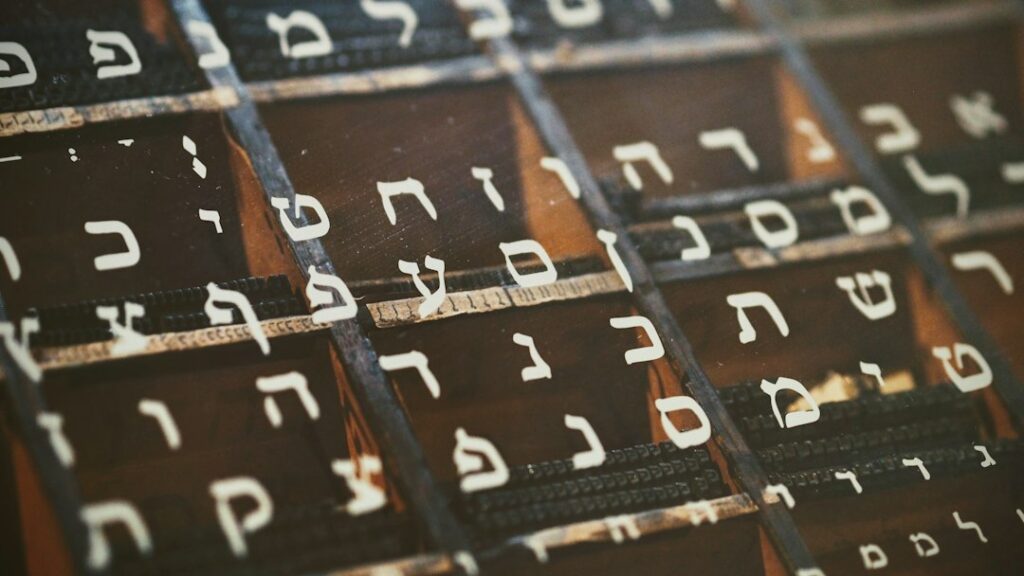
Learning to read Hebrew becomes much easier when beginners practice in short, predictable steps. The goal is not to memorize every word at once, but to connect letters, vowel marks, and sounds through repeated reading.
For residents of Englewood, NJ, a simple home routine can work well around school schedules, family responsibilities, and seasonal changes. Ten focused minutes several times a week is often more useful than one long, tiring study session.
What should a beginner learn first?
A beginner should first recognize the Hebrew alphabet, understand the direction of reading, and practice a small group of vowel sounds. Hebrew is read from right to left, but the basic process of sounding out a word is familiar: identify the letters, notice the vowel marks, blend the sounds, and reread the word smoothly.
Start with a few letters rather than the entire alphabet. For example, practice:
- א — alef
- ב — bet
- מ — mem
- ל — lamed
- ש — shin
- ת — tav
The names of the letters are useful, but reading practice should also focus on the sounds they represent. A learner who can quickly recognize a letter without stopping to recall its name is beginning to develop reading fluency.
Hebrew has five letters that change form when they appear at the end of a word: כ/ך, מ/ם, נ/ן, פ/ף, and צ/ץ. These final forms can be introduced after the standard forms feel familiar.
How do Hebrew vowel marks work?
Hebrew vowel marks, called *nikkud*, help beginners know how to pronounce written words. They appear above, below, or inside letters. Many everyday Hebrew texts omit these marks, but beginner materials usually include them so that the connection between spelling and sound is clear.
A useful first set includes:
- בַּ — “ba”
- בָּ — “ba” or “bah,” depending on the reading system
- בֶּ — “be”
- בֵּ — “be” or “bay,” depending on the reading system
- בִּ — “bi”
- בֹּ — “bo”
- בֻּ — “bu”
Different Hebrew teaching traditions may represent some vowel sounds differently. That is normal. Beginners benefit from choosing one consistent pronunciation system at first rather than comparing several systems during every exercise.
The small dot inside certain letters also matters. For example, בּ is usually pronounced “b,” while ב without the dot may be pronounced “v” in many modern Hebrew reading systems. Similar distinctions occur with כ and פ. These details should be added gradually so they do not overwhelm early practice.
What are simple Hebrew reading exercises for beginners?
The most effective early exercises move from individual symbols to short syllables and then to familiar words.
1. Letter recognition
Write or print a small group of letters in mixed order. Ask the learner to identify each one without reciting the entire alphabet first.
Example:
מ — ש — א — ל — ת — ב
Then repeat the exercise the next day with the same letters in a new order. Speed is less important than accurate recognition.
2. Sound-and-vowel combinations
Pair one consonant with several vowel marks:
- מַ, מֶ, מִ, מוֹ, מוּ
- לַ, לֶ, לִ, לוֹ, לוּ
- בַּ, בֶּ, בִּ, בּוֹ, בּוּ
Read each row slowly from right to left. After the first reading, cover the letter names and focus only on the sound. This helps prevent beginners from relying on memorized sequences.
3. Syllable blending
Combine two simple syllables:
- בַּ + לָ = בַּלָה
- מַ + לָ = מַלָה
- לִ + בָּ = לִבָּה
The examples should be chosen for readability rather than vocabulary difficulty. Nonsense syllables can also be useful because they test decoding instead of memory.
4. Short word reading
Move to short, fully marked words. Examples may include:
- אִמָּא — ima, “mother”
- אַבָּא — abba, “father”
- סֵפֶר — sefer, “book”
- דֶּלֶת — delet, “door”
- יֶלֶד — yeled, “boy” or “child”
- שָׁלוֹם — shalom, “peace” or “hello”

A learner should first sound out the word, then read it again at a natural pace. The second reading builds fluency, while the first reading builds decoding skill.
How can reading practice stay manageable at home?
Short sessions are easier to maintain than demanding lessons. A practical routine is:
- Two minutes reviewing familiar letters
- Three minutes reading vowel combinations
- Three minutes decoding short words
- Two minutes rereading words already practiced
Keep the exercise visually simple. A page with six to ten items is often enough for a beginner. Large print and generous spacing can reduce confusion, especially for children or adults who are still adjusting to right-to-left text.
In a dense residential community such as Englewood, home study may take place in shared living spaces where interruptions are common. A quiet corner, consistent practice time, and a dedicated notebook can make reading practice easier without requiring a formal classroom setup.
What mistakes commonly slow beginners down?
Several habits make Hebrew reading harder than it needs to be.
Guessing from the first letter: A learner may recognize the first consonant and guess the rest of the word. Covering the next word and reading one item at a time encourages careful decoding.
Reading left to right: Beginners sometimes follow the direction used for English, especially when Hebrew and English appear on the same page. Using a finger or index card to guide the eye from the right side can help.
Overemphasizing letter names: Knowing that a letter is called bet does not automatically mean the learner can read בַּ. Practice should regularly move from the letter name to the actual sound.
Introducing too many rules at once: Final letters, silent letters, guttural consonants, doubled consonants, and exceptions can wait. Early confidence grows from mastering a limited pattern before adding another.
Correcting every sound immediately: Constant interruption can make reading feel like a test. It is usually better to let the learner finish a short word, then review one or two specific points.
How should learners practice Hebrew without vowel marks?
Unvocalized Hebrew should be introduced only after marked words become comfortable. Begin with words the learner already knows by sound, then remove the vowel marks and compare the two versions.
For example:
- שָׁלוֹם → שלום
- סֵפֶר → ספר
- דֶּלֶת → דלת
This exercise shows that Hebrew readers often use context and word familiarity to supply information not shown in the spelling. Beginners should not be expected to read unfamiliar unvocalized words fluently at the start.
A useful bridge is to display a marked word first, ask the learner to read it, and then show the same word without marks. The task is recognition, not complete independent decoding.
How can adults and children make progress at different speeds?
Children may enjoy rhythm, games, and quick recognition drills, while adults may prefer organized charts and explanations of how the writing system works. Both groups benefit from repetition, but the material should match attention span and prior experience.
Adults who know another language using a different alphabet may need extra time to adjust to Hebrew’s direction and letter shapes. Children may recognize patterns quickly but need reminders to slow down and pronounce every part of a word.
Progress can be measured by practical signs:
- Recognizing letters in mixed order
- Reading common vowel combinations without hesitation
- Blending two syllables
- Rereading a short word smoothly
- Identifying familiar words without relying entirely on pictures
A beginner does not need perfect pronunciation before moving forward. Accurate, patient decoding is the foundation. Pronunciation refinements can be added as reading becomes more automatic.