

 See My Latest Article on HelloNation
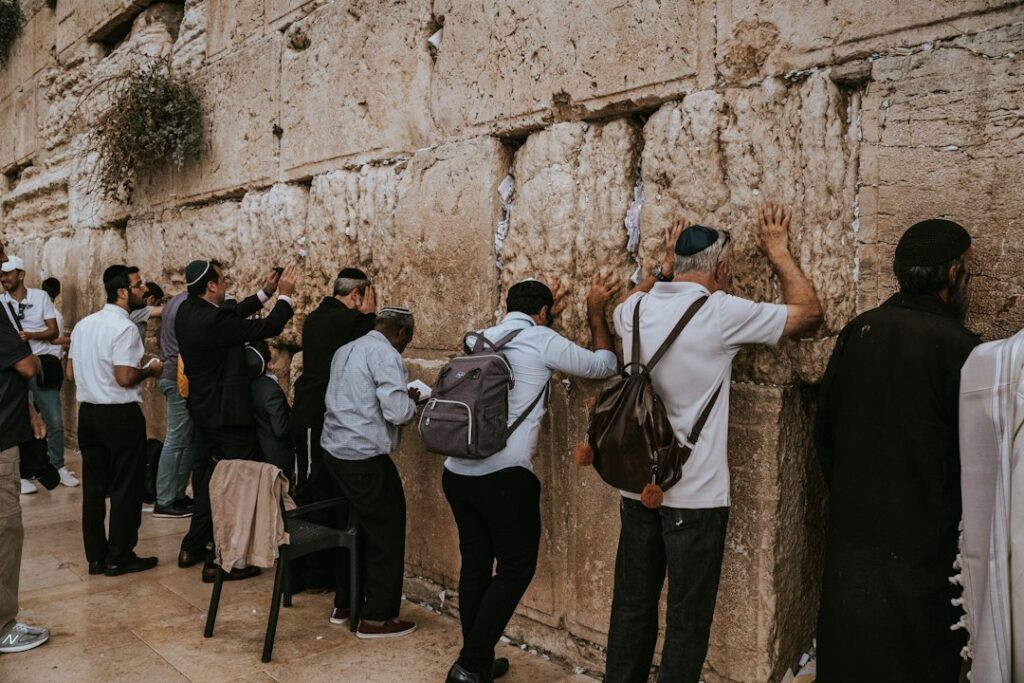
Residents in Englewood, NJ may hear Hebrew in homes, schools, community settings, religious gatherings, and everyday conversations. Learning a few polite expressions can make introductions, visits, shared meals, and brief exchanges feel more comfortable. Hebrew etiquette is not only about memorizing vocabulary; tone, timing, familiarity, and cultural context also matter.
What are the most useful Hebrew greetings?
The most widely useful greeting is shalom (שָׁלוֹם), which means “hello” and also “peace.” It can be used when meeting someone or saying goodbye. In many settings, it is a safe and respectful choice, whether speaking with a friend, neighbor, teacher, older adult, or someone newly introduced.
Other common greetings include:
- Boker tov (בּוֹקֶר טוֹב) — Good morning
- Erev tov (עֶרֶב טוֹב) — Good evening
- Laila tov (לַיְלָה טוֹב) — Good night
- Ma shlomcha? (מַה שְׁלוֹמְךָ?) — How are you? said to a man
- Ma shlomech? (מַה שְׁלוֹמֵךְ?) — How are you? said to a woman
- Ma nishma? (מַה נִּשְׁמָע?) — What’s new? or How are things?
The final sound in some Hebrew words changes depending on whether the person being addressed is male or female. In casual speech, people may also use simplified pronunciation, so a small mistake is usually understood as an effort to be courteous.
How do you say “please,” “thank you,” and “you’re welcome”?
The standard word for “please” is bevakasha (בְּבַקָּשָׁה). It is also used to mean “here you are” when handing something to another person.
Toda (תּוֹדָה) means “thank you.” For stronger appreciation, use toda raba (תּוֹדָה רַבָּה), meaning “thank you very much.”
A common response to “thank you” is bevakasha, meaning “you’re welcome.” Depending on the setting, a speaker may also simply smile, nod, or respond warmly without using a formal phrase.
Useful examples include:
- Bevakasha, efshar mayim? — Please, may I have water?
- Toda raba al ha-ezra. — Thank you very much for the help.
- Bevakasha. — You’re welcome.
- Slicha. (סְלִיחָה) — Excuse me or I’m sorry.
- Mitzta’er (מִצְטַעֵר) — I’m sorry, said by a man.
- Mitzta’eret (מִצְטַעֶרֶת) — I’m sorry, said by a woman.
Slicha is especially useful for getting someone’s attention, passing through a crowded space, apologizing for a minor interruption, or asking someone to repeat something.
What should someone say when meeting a new person?
A simple introduction can be polite and natural:
- Ani [name]. — I am [name].
- Nעים me’od. (נָעִים מְאוֹד) — Nice to meet you.
- Ma shimcha? (מַה שִׁמְךָ?) — What is your name? said to a man
- Ma shmech? (מַה שְׁמֵךְ?) — What is your name? said to a woman
- Lehitra’ot. (לְהִתְרָאוֹת) — See you later.
- Shalom u’lehitra’ot. — Goodbye and see you again.
In a first meeting, using a person’s title or name respectfully is appropriate until the relationship becomes more familiar. Hebrew-speaking families and communities vary in how quickly they move from formal to casual conversation, so it is best to follow the other person’s lead.
Physical greetings also vary. A handshake may be appropriate in a professional or unfamiliar setting. Some people prefer a nod, verbal greeting, or additional personal space for religious, cultural, or personal reasons. A verbal shalom is always a courteous starting point.
How does Hebrew etiquette work at meals?
Before eating, bete’avon (בְּתֵאָבוֹן) means “bon appétit” or “enjoy your meal.” It is often used when food is served, whether the meal is formal or informal.
After receiving food or hospitality, toda is appropriate. A guest may also say:
- Ha-ochel me’uleh. — The food is excellent.
- Haya ta’im. — It was delicious.
- Efshar עוד? — May I have more?
At a shared meal, it is polite to wait briefly until others are ready, especially if a blessing, toast, or other customary practice is expected. Practices differ among households and religious traditions, so visitors should observe quietly and follow the host’s cues rather than assume that every family follows the same routine.
Some Hebrew expressions connected with food have religious significance. For example, hamotzi refers to a blessing traditionally recited over bread, while kiddush refers to a blessing over wine or grape juice associated with Shabbat and holidays. These terms are useful to recognize, but guests should not repeat or perform a religious blessing unless invited and comfortable doing so.
What phrases are helpful during Shabbat and holidays?
Shabbat shalom (שַׁבָּת שָׁלוֹם) means “peaceful Sabbath” and is commonly used from Friday afternoon or evening through Saturday. It is both a greeting and a good wish.
Other holiday expressions include:
- Chag sameach (חַג שָׂמֵחַ) — Happy holiday
- Shanah tovah (שָׁנָה טוֹבָה) — Happy or good new year
- Shanah tovah u’metukah — A good and sweet new year
- Mazal tov (מַזָּל טוֹב) — Congratulations or good fortune

A common misunderstanding is that mazal tov means “good luck” in every situation. In everyday use, it is generally said after a happy event has occurred, such as a wedding, birth, graduation, engagement, or other accomplishment. It is not usually used before an event as a wish for success.
How can someone ask for repetition or clarification?
Language learners do not need to understand every word immediately. These phrases make communication easier:
- Lo hevanti. — I did not understand.
- Efshar lachzor? — Can you repeat?
- Ma ze אומר? — What does that mean?
- Bevakasha, le’at. — Please, slowly.
- Ani lomed Ivrit. — I am learning Hebrew.
- Atah medaber Anglit? — Do you speak English? said to a man
- At medaberet Anglit? — Do you speak English? said to a woman
A respectful attempt is usually received more positively than silence or exaggerated pronunciation. Speaking slowly, listening carefully, and allowing the other person time to respond are central parts of polite communication.
Are there Hebrew etiquette differences to remember?
Yes. Hebrew has gendered forms, and pronunciation differs between speakers. Some people use Israeli Hebrew pronunciation, while others may use pronunciations influenced by family background, religious tradition, or another language.
The word todah may sound slightly different from one speaker to another. The Hebrew letter ח, often written as kh or ch, has a throatier sound than the English “h,” but replacing it with a softer sound is understandable for beginners.
Respect also involves recognizing when Hebrew carries religious meaning. Terms such as shalom, Shabbat shalom, mazal tov, and blessings may be used in both secular and religious settings, but their meaning can depend on the occasion. Asking a brief, respectful question is better than making assumptions.
Which phrases are most useful to memorize first?
For everyday interactions, start with these eight:
- Shalom — Hello or goodbye
- Boker tov — Good morning
- Toda — Thank you
- Bevakasha — Please or you’re welcome
- Slicha — Excuse me or sorry
- Bete’avon — Enjoy your meal
- Shabbat shalom — Peaceful Sabbath
- Mazal tov — Congratulations
Using these expressions with a natural tone, a friendly greeting, and attention to the setting is more valuable than perfect grammar. In the local community, even a few carefully used Hebrew words can show consideration while leaving room for genuine conversation.