
 See My Latest Article on HelloNation
How Does Studying Hebrew Offer a Window into Israeli and Jewish Culture?
Learning Hebrew offers much more than language skills; it provides meaningful insights into Israeli daily life and Jewish cultural heritage. In Englewood, NJ, where there is a notable presence of Jewish families and institutions, these cultural connections become especially relevant.
Hebrew is deeply tied to Judaism, both as a modern spoken language and as the ancient language of religious texts. By understanding Hebrew, residents can:
- Access traditional prayers and texts in their original form, gaining a richer perspective than through translation
- Connect more directly with Israeli news, music, television, and literature to explore contemporary societal values
- Participate more confidently in local cultural or religious events that may incorporate Hebrew elements
In short, the language acts as a bridge—linking learners to both global and local expressions of Jewish and Israeli culture.
Why Are Hebrew Expressions and Idioms Important for Cultural Understanding?
Hebrew is full of idiomatic expressions and proverbs that reveal a lot about values, history, and humor. These aren’t just linguistic curiosities—they shape everyday communication and social expectations.
For example, understanding phrases such as "kol hakavod" (well done) or "ma nishma?" (how are things?) lets learners communicate with nuance and recognize cultural patterns of encouragement, casualness, or inquiry. In area households, grasping these subtleties can clarify interactions with neighbors or extended family for whom Hebrew is a familiar or heritage language.
Some local learners are surprised to discover how modern Israeli slang evolves rapidly, or how expressions rooted in ancient texts frequently pop up in everyday conversation—reflecting a blend of old and new unique to Hebrew-speaking settings.
How Do Holidays and Rituals Connect to Hebrew Learning Locally?
In Englewood, many families observe Jewish holidays and lifecycle events, where Hebrew is integral. Learning the language equips residents to better understand:
- Traditional blessings and prayers recited at home and in community gatherings
- Songs and customs unique to holidays such as Passover, Hanukkah, and Purim
- The significance behind symbols, greetings, and handwritten cards exchanged during these occasions
By studying Hebrew, learners also become more informed participants at local gatherings, school events, or community programs where Hebrew phrases or readings may be used. For families with children attending Hebrew school or participating in Bar/Bat Mitzvah ceremonies, an adult’s growing comfort with Hebrew can foster more meaningful engagement and conversations at home.
In What Ways Does Hebrew Shape a Sense of Community in Englewood?
Language can help residents feel more at home, whether they are newcomers to Englewood or longtime community members. Learning even basic Hebrew increases participation in city life where bilingual signage, communal prayers, and cultural events are present.
Simple skills—like reading Hebrew menus, understanding announcements at community events, or conversing with neighbors—help forge connections across generations and backgrounds. Such cultural awareness is valuable in diverse neighborhoods where Jewish, Israeli, and non-native English-speaking families live side by side.
For those volunteering or working with local institutions such as libraries, senior centers, or camps, Hebrew language familiarity can deepen cross-cultural understanding and improve communication with participants from different backgrounds.
What Are Some Overlooked Cultural Aspects Revealed by Hebrew Grammar and Structure?
Beyond vocabulary, the grammar and structure of Hebrew reflect cultural ways of thinking. For example:

- Hebrew has masculine and feminine forms for many words, which can prompt discussion about gender and tradition in conversation.
- The structure of verbs is often built around three-letter roots, revealing how related meanings connect and how ideas evolve in Hebrew society.
- Modern Israeli Hebrew incorporates words from English, Russian, and Arabic, reflecting the country’s cultural diversity—a feature that becomes clear through study.
Local students may notice cultural differences in communication style, such as Hebrew’s directness compared to American English. Misunderstandings sometimes arise when literal translation misses implied meaning. For example, a phrase that sounds abrupt in English might be perfectly friendly or neutral in Hebrew.
How Can Learning Hebrew Deepen Insight into Jewish Texts and Philosophy?
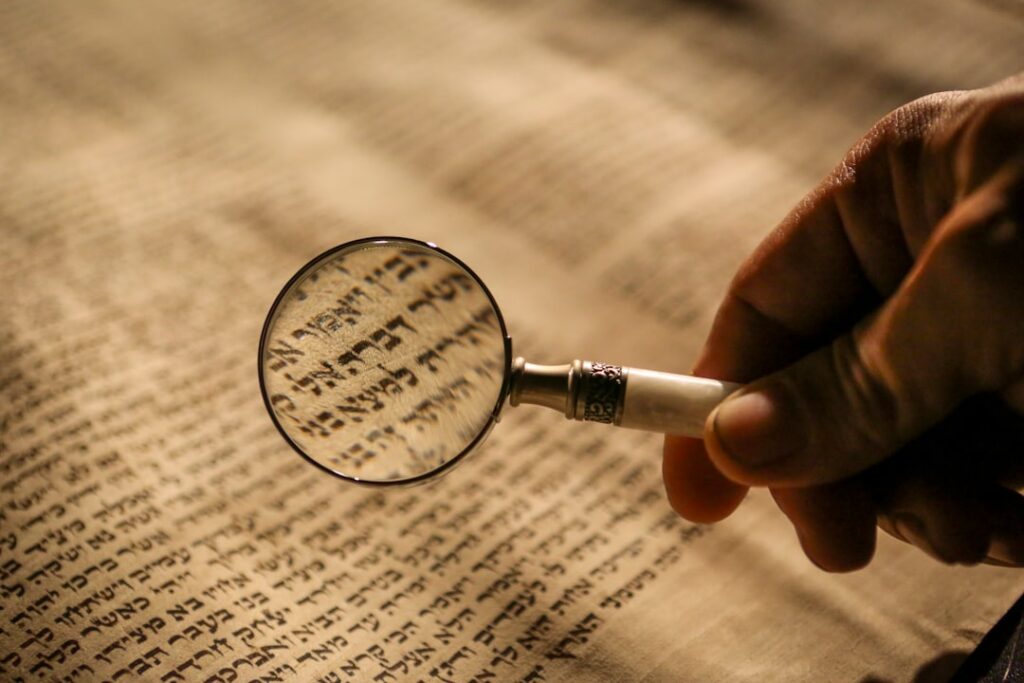
Studying Hebrew allows for closer engagement with Jewish texts, such as the Torah, prayerbook (siddur), and commentaries. English translations can’t always capture wordplay, poetic structure, or subtle meanings present in the original.
For Englewood residents interested in biblical studies, liturgical music, or Jewish philosophy, learning Hebrew reveals:
- Layers of meaning lost in translation, including puns, historical references, or nuanced theological ideas
- The role of language in forming ritual, ethical debate, and storytelling traditions
- Greater appreciation for community events or learning sessions where original texts are read or discussed
This deeper access lets learners connect not only with local Jewish culture, but also with broader traditions across the world.
What Role Does Multilingualism Play in Identity and Belonging?
Many families in Englewood raise children who hear multiple languages at home, including Hebrew, English, Russian, or other heritage languages. For these families, learning Hebrew goes beyond utility—it is an anchor for cultural identity, pride, and intergenerational connection.
In schools, community centers, and places of worship, knowing some Hebrew supports a sense of belonging and facilitates new friendships, mentorship, or leadership opportunities. It also prepares residents for travel or extended family visits to Israel, where language ability can enrich cultural exchange and understanding.