

 See My Latest Article on HelloNation
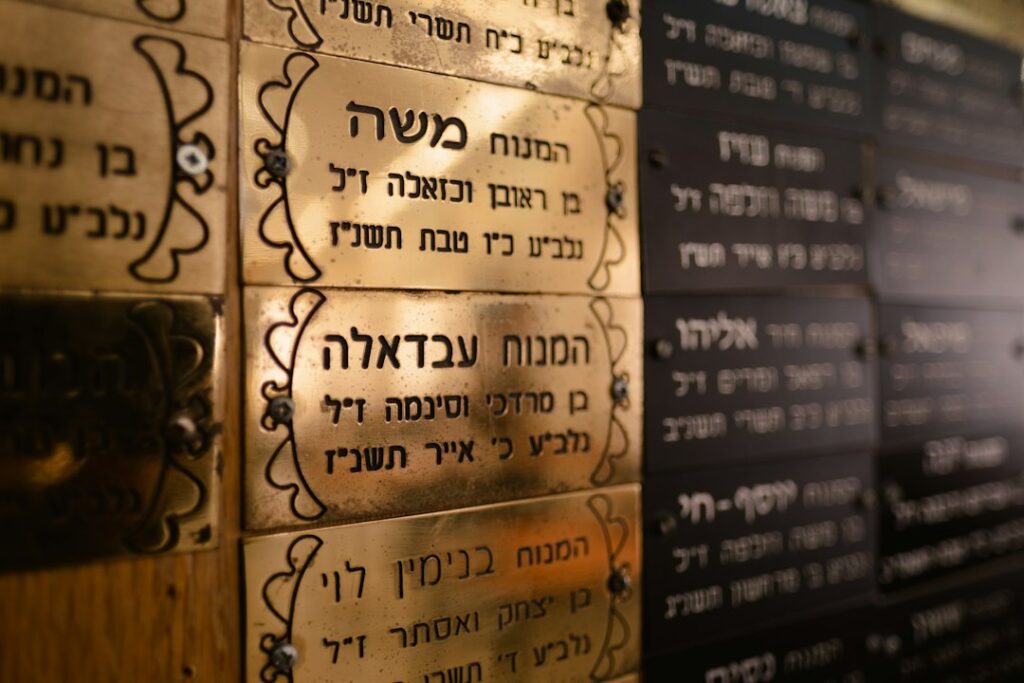
What Hebrew should a business traveler learn first?
For residents of Englewood, NJ preparing for work-related travel, a small set of practical Hebrew phrases can make airports, meetings, transportation, meals, and everyday interactions easier. Fluency is not necessary for most short trips, but knowing how to greet people, ask for help, confirm details, and show courtesy can improve communication.
Modern Hebrew is written from right to left, yet many signs, menus, and business materials also include English. Spoken Hebrew may sound unfamiliar at first because pronunciation differs from English in several ways. A focused routine built around high-frequency phrases is usually more useful than trying to memorize long vocabulary lists.
The most useful early phrases include:
- Shalom — Hello, goodbye, or peace
- Boker tov — Good morning
- Erev tov — Good evening
- Toda — Thank you
- Toda raba — Thank you very much
- Bevakasha — Please or you’re welcome
- Slicha — Excuse me or sorry
- Ken — Yes
- Lo — No
- Beseder — Okay, all right, or understood
These expressions are simple, but using them naturally signals attention and respect.
How can travelers handle greetings and introductions?
A polite greeting often sets the tone for a business interaction. In Hebrew, greetings are generally direct and friendly. A handshake may be appropriate in a professional setting, although travelers should follow the other person’s lead regarding physical contact.
Useful introduction phrases include:
- Ma shlomcha? — How are you? said to a man
- Ma shlomech? — How are you? said to a woman
- Ani… — I am…
- Korim li… — My name is…
- Naim meod — Nice to meet you
- Meayin ata? — Where are you from? said to a man
- Meayin at? — Where are you from? said to a woman
Hebrew distinguishes between masculine and feminine forms in many common expressions. A traveler does not need to master the entire grammar system immediately, but learning a few paired phrases helps avoid confusion.
For a mixed or unfamiliar group, shalom is a reliable opening. In a formal setting, it is also appropriate to greet people individually rather than immediately moving into business details.
Which phrases are useful in meetings?
Business travelers often need language for timing, documents, questions, and clarification. Even when the meeting itself takes place in English, Hebrew can help with short exchanges before and after the formal discussion.
Helpful phrases include:
- Efshar lachzor al ze? — Can you repeat that?
- Lo hevanti — I didn’t understand
- Ken, hevanti — Yes, I understood
- Ma ha-zman? — What is the time?
- Eifo ha-yeshiva? — Where is the meeting?
- Ha-pgisha matkhila be… — The meeting starts at…
- Ani rotze livdok — I want to check
- Tnu li rega, bevakasha — Give me a moment, please
- Yesh li she’ela — I have a question
- Ma ha-mashmaut? — What does it mean?
A particularly valuable phrase is efshar le’at, bevakasha?, meaning “Can you speak slowly, please?” It is more useful than pretending to understand. Asking for clarification early can prevent mistakes involving dates, addresses, names, and numbers.
Hebrew numbers can be challenging because their forms may change according to grammatical gender. For practical travel, it helps to recognize the numbers from one through ten, but written confirmation is wise for important details such as meeting times, room numbers, prices, and travel arrangements.
How should travelers talk about schedules and punctuality?
Scheduling language deserves special attention because Hebrew uses familiar time expressions that may not match the wording used in English.
- Hayom — Today
- Machar — Tomorrow
- Etmol — Yesterday
- Achshav — Now
- Meuchar — Late
- Mukdam — Early
- Besha’a… — At… o’clock
- Lifnei — Before
- Acharei — After
- Matai? — When?
The phrase nitra’e ba-sha’a… means “See you at…” and is useful when confirming a meeting. Travelers should repeat the agreed time and location in clear language, especially if the arrangement was discussed in a mixture of Hebrew and English.
Friday and Saturday may involve different schedules because the Jewish Sabbath, known as Shabbat, begins before sunset on Friday and ends after sunset on Saturday. Operating hours, transportation availability, and business activity can change during this period. Dates and times should be checked carefully when planning meetings around weekends or Jewish holidays.

What Hebrew is useful for transportation and directions?
Directions are one of the most practical areas for basic Hebrew. Travelers may need to identify streets, entrances, floors, elevators, and nearby landmarks.
Useful words include:
- Eifo…? — Where is…?
- Yamin — Right
- Smol — Left
- Yashar — Straight
- Po — Here
- Sham — There
- Koma — Floor or level
- Ma’ale — Up
- Mata — Down
- Rechov — Street
- Tachana — Station
- Kenisa — Entrance
- Yetzi’a — Exit
A traveler can combine these words with English when necessary. For example, eifo ha-kenisa? means “Where is the entrance?” and koma shlishit means “third floor.”
Hebrew signage may use abbreviations, directional arrows, and numbers more often than complete sentences. Learning to recognize kenisa and yetzi’a can be especially helpful in large buildings, transit areas, and conference venues.
How can travelers manage restaurants, coffee meetings, and dietary questions?
Meals are often an important part of business travel. Basic Hebrew allows a traveler to order politely, ask for the bill, and clarify ingredients.
Useful expressions include:
- Ani rotze… — I would like… said by a man
- Ani rotza… — I would like… said by a woman
- Mayim, bevakasha — Water, please
- Kafe, bevakasha — Coffee, please
- Eifo ha-ta’ashil? — Where is the menu?
- Cheshbon, bevakasha — The bill, please
- Yesh po…? — Is there… here?
- Ani alרגי ל… — I am allergic to…; the word for “allergic” is commonly pronounced alergi
- Bli… — Without…
Dietary needs should be stated clearly and repeated if necessary. Travelers should not assume that a familiar food label has exactly the same meaning in every setting. When allergies or medical restrictions are involved, carrying a written Hebrew explanation can provide an additional safeguard.
What common mistakes should English-speaking learners avoid?
The most common mistake is treating Hebrew pronunciation as if it followed English spelling. The letter ח, often represented as kh or ch, has a deeper throat sound than the “ch” in “chair.” The letter ר may also sound different from the English “r.”
Another frequent mistake is relying on automatic translation without checking context. Hebrew words can have several meanings, and gender, formality, and sentence structure affect the correct wording. Translation tools can help with preparation, but short, memorized phrases are often easier to use under pressure.
Travelers should also avoid assuming that every Hebrew speaker prefers Hebrew in business communication. Many professionals are comfortable using English, and switching languages is normal. A respectful approach is to begin with a Hebrew greeting, then ask:
Medabrim anglit? — Do you speak English?
The most effective preparation is practical rehearsal: saying greetings aloud, practicing numbers and times, reading common signs from right to left, and role-playing situations such as checking into a hotel, finding a meeting room, or asking someone to repeat an instruction. For local residents preparing during a busy season, ten minutes of daily speaking practice can be more useful than a long session focused only on grammar.