

 See My Latest Article on HelloNation
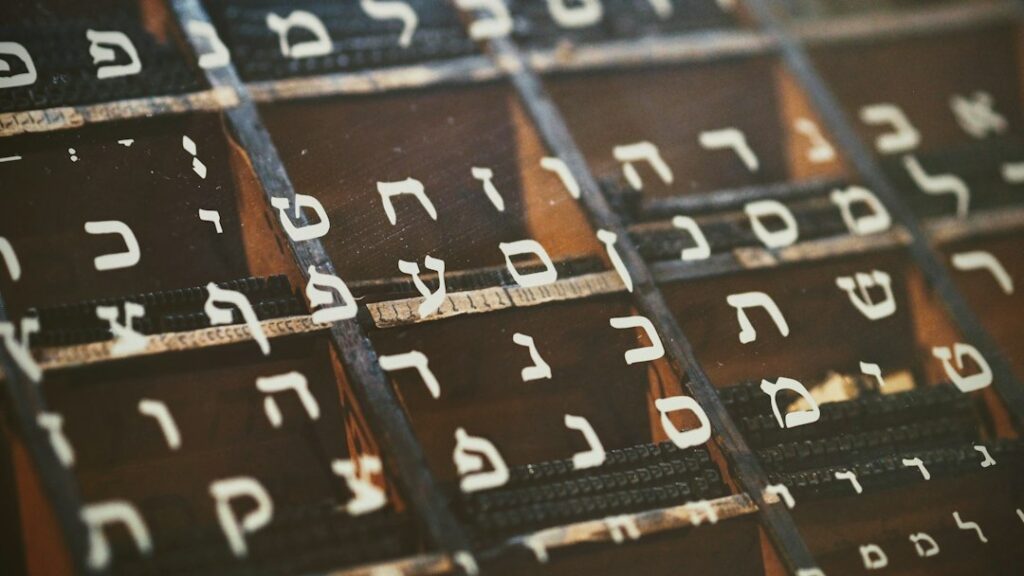
Learning Hebrew from scratch is manageable when the process is divided into clear stages: sound, script, basic vocabulary, sentence patterns, and regular conversation. Beginners do not need to memorize the entire alphabet or speak fluently right away. A steady routine of short, focused practice usually works better than occasional long study sessions.
What should a beginner learn first?
A beginner should start with the Hebrew sound system and alphabet, while also learning a few useful spoken phrases. Hebrew is written from right to left, and its printed letters can look unfamiliar at first. The goal during the first stage is recognition, not speed.
Modern Hebrew uses 22 primary consonant letters. Several letters have a different form when they appear at the end of a word. Vowel marks, called *nikkud*, may appear in children’s books, beginner materials, religious texts, dictionaries, and language-learning resources, but everyday adult writing often leaves them out.
A sensible first sequence is:
- Learn five or six letters at a time.
- Practice the sound associated with each letter.
- Copy short words from right to left.
- Read words aloud, even before understanding every meaning.
- Review older letters whenever new ones are added.
Do not rely only on the English name of a letter. Hebrew pronunciation is easier to remember when each letter is connected to a sound, a written shape, and a simple word.
How long does it take to learn the Hebrew alphabet?
Many beginners can recognize the main Hebrew letters within several weeks when they practice for 10 to 15 minutes most days. Reading unfamiliar words smoothly takes longer because the learner must become comfortable with right-to-left direction, final letter forms, and words without vowel marks.
Writing by hand can strengthen recognition. It also reveals whether letters are being confused with one another. Typing in Hebrew is useful later, but handwriting provides an additional memory pathway during the early stages.
A practical exercise is to write the alphabet from memory, then compare it with a reference chart. Next, copy short words without translating them immediately. This separates reading practice from vocabulary recall.
Should beginners learn Modern Hebrew or Biblical Hebrew?
The right starting point depends on the reason for learning. Modern Hebrew is generally the practical choice for everyday conversation, travel, media, and communication with contemporary speakers. Biblical Hebrew has different vocabulary, grammar, pronunciation traditions, and reading goals.
The two forms are related, but they are not identical. A person studying biblical texts may eventually need specialized instruction in grammar and interpretation. Someone hoping to hold basic conversations should begin with Modern Hebrew listening and speaking.
Religious or cultural study can be included alongside Modern Hebrew, but beginners should understand that a prayer, biblical passage, and modern conversation may use different expressions and grammatical patterns.
What Hebrew words and phrases are most useful first?
Early vocabulary should support real communication rather than consist only of random word lists. Begin with greetings, polite expressions, question words, numbers, family terms, food, time, common actions, and descriptions of daily routines.
Useful categories include:
- Greetings and introductions
- Yes, no, please, thank you, and excuse me
- Who, what, where, when, why, and how
- Home, work, school, food, transportation, and weather
- Basic verbs such as to be, to have, to want, to need, to go, and to know
- Numbers, days, months, and times
Hebrew nouns have grammatical gender, usually described as masculine or feminine. Adjectives and some verb forms change to agree with the noun. This may feel unfamiliar to English speakers, but it becomes easier when learned through complete phrases rather than isolated rules.
Instead of memorizing a single word for “book,” learn a short phrase such as “the book is new.” Complete examples show word order, pronunciation, and agreement at the same time.
How should a beginner practice pronunciation?
Pronunciation improves through listening and repetition, not through reading alone. Hebrew includes sounds that may not exist in English, and some letters can be pronounced differently depending on tradition, speaker, or context.
A useful routine is:
1. Listen to a short phrase.
2. Repeat it slowly.
3. Record your own voice.
4. Compare the rhythm and consonants.
5. Repeat the phrase at a natural speed.
Pay attention to syllable stress. Stress often falls on the final or next-to-final syllable, but learners should hear complete words rather than apply a rule mechanically. Clear pronunciation is more valuable than trying to imitate an accent perfectly.
Beginners should also expect variation in pronunciation among speakers. Differences may reflect family background, educational experience, religious tradition, or regional influence. The main early goal is understandable speech.
What grammar should be learned first?
Early Hebrew grammar should focus on patterns that allow a learner to build sentences. Essential topics include personal pronouns, noun gender, singular and plural forms, possessive expressions, common prepositions, and basic verb patterns.
Hebrew often communicates possession with a structure that differs from English. It also uses prefixes attached to words, and these small additions can express meanings such as “in,” “to,” “from,” or “with.” Learning them as part of common phrases reduces confusion.
Verb study should begin with frequent verbs in the present tense, followed by simple past and future forms. There is no need to memorize every conjugation at once. A small group of high-frequency verbs can support many ordinary conversations.
Grammar explanations are most helpful when followed by immediate use. After learning a pattern, create five short sentences about familiar subjects, such as family, meals, daily activities, or plans.
How much time should residents set aside each week?
A realistic beginner schedule is 15 to 25 minutes on most days. Short sessions are especially practical for households balancing work, school, caregiving, and commuting. A longer session once a week can be useful, but it should not replace frequent contact with the language.
A balanced week might include:

- Two days of alphabet and reading practice
- Two days of vocabulary and sentence building
- One day focused on listening
- One day of speaking or reading aloud
- One review session using older material
Local residents may also find that seasonal routines affect consistency. Winter evenings can provide quiet study time, while warmer months may require a more flexible schedule around family activities and travel. Keeping materials in one predictable place helps preserve the habit during busy periods.
What common mistakes slow beginners down?
The most common mistake is trying to learn too much at once. A large vocabulary list may look productive, but words are quickly forgotten if they are not heard or used in sentences.
Other frequent problems include:
- Waiting to speak until pronunciation feels perfect
- Ignoring listening practice
- Translating every sentence word for word
- Studying only English transliteration and postponing Hebrew script
- Memorizing grammar terms without using examples
- Moving to advanced material before basic phrases are automatic
Transliteration can help during the first days, but it should gradually be reduced. If a learner reads only Hebrew sounds written in English letters, reading ability in Hebrew develops slowly.
How can progress be measured?
Progress can be measured through practical tasks rather than test scores alone. A beginner is moving forward when they can recognize common letters, read short words, introduce themselves, understand familiar questions, and produce simple sentences without translating every word.
Every few weeks, try to:
- Read a short passage aloud
- Write a few sentences about the day
- Understand a slow beginner dialogue
- Recall vocabulary without looking at a list
- Record a one-minute spoken introduction
Mistakes are useful evidence. They show which sounds, endings, or sentence patterns need another review. Consistent repetition turns difficult material into familiar material over time.
Learning Hebrew from the beginning requires patience, but the path is clear: learn the writing system, listen regularly, build useful phrases, study grammar through examples, and practice in short sessions. A steady approach allows beginners in Englewood to develop reading, listening, speaking, and cultural understanding without treating fluency as an immediate requirement.