

 See My Latest Article on HelloNation
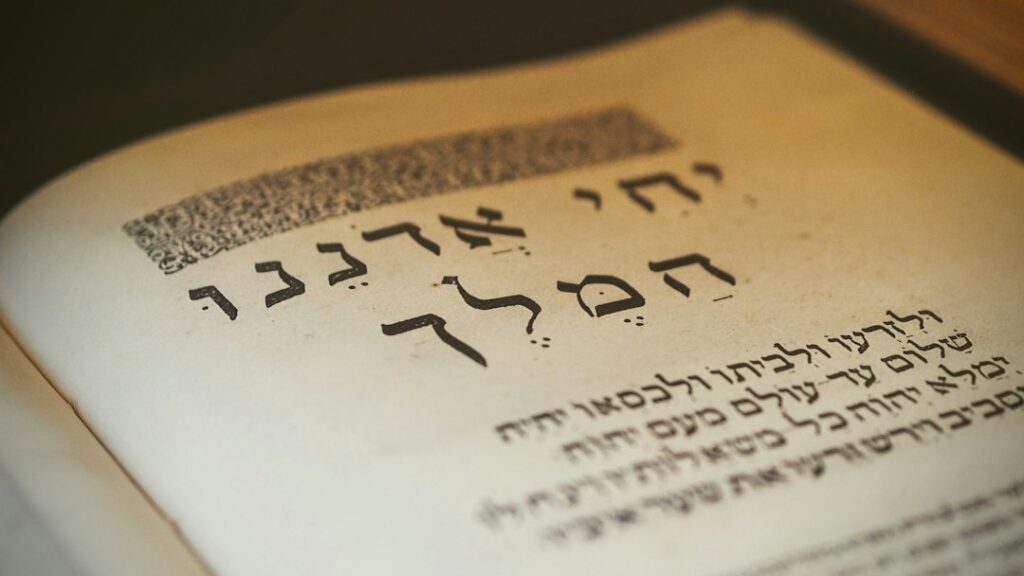
Hebrew holiday vocabulary becomes easier to remember when each word is connected to a ritual, food, greeting, or family activity. For residents learning Hebrew in Englewood, these terms can help with synagogue visits, holiday meals, children’s lessons, and conversations with relatives.
Why learn holiday vocabulary in Hebrew?
Holiday words often appear in prayers, songs, children’s books, invitations, and family discussions. Learning the Hebrew term alongside its English meaning also helps learners recognize repeated patterns in the language.
Hebrew is commonly written from right to left. Many holiday terms are written with vowel markings in educational materials, but everyday Hebrew usually appears without them. For that reason, it is useful to learn both the sound and the written word.
Pronunciation guides below are approximate for English speakers. The strongest learning comes from hearing the words spoken and repeating them aloud.
What are the main Hebrew words for Jewish holidays?
Several general terms appear throughout the Jewish calendar:
- חג — chag: holiday or festival
- חגים — chagim: holidays or festivals
- מועד — mo’ed: appointed festival or special sacred time
- חג שמח — chag sameach: happy holiday
- מועדים לשמחה — mo’adim l’simcha: greetings for a joyful festival
- שבת — Shabbat: the Sabbath, observed from Friday evening through Saturday evening
- קידוש — kiddush: blessing over wine or grape juice, often recited at a holiday or Shabbat meal
- סעודה — se’udah: festive meal
- תפילה — tefilah: prayer
- בית כנסת — beit knesset: synagogue, literally “house of gathering”
The phrase chag sameach can be used for many holidays. For Rosh Hashanah and Yom Kippur, more specific greetings are customary.
What vocabulary is used for Rosh Hashanah?
Rosh Hashanah is the Jewish New Year. The name literally means “head of the year.”
- ראש השנה — Rosh Hashanah: Jewish New Year
- שנה טובה — shanah tovah: have a good year
- שנה טובה ומתוקה — shanah tovah u’metukah: have a good and sweet year
- תפוח — tapuach: apple
- דבש — dvash: honey
- שופר — shofar: ram’s horn used during the holiday service
- תקיעה — tekiah: a single, long shofar blast
- סימנים — simanim: symbolic foods or signs associated with hopes for the coming year
A common holiday expression is shanah tovah u’metukah. The pairing of apples and honey is connected with the wish for a sweet year. The shofar is not simply a musical instrument; its sound is associated with reflection, renewal, and spiritual awakening.
Which Hebrew terms belong to Yom Kippur?
Yom Kippur is the Day of Atonement and is traditionally devoted to fasting, prayer, confession, and seeking forgiveness.
- יום כיפור — Yom Kippur: Day of Atonement
- צום — tzom: fast
- צום קל — tzom kal: an easy fast
- סליחה — slichah: forgiveness
- מחילה — mechilah: pardon or forgiveness
- תשובה — teshuvah: repentance or return
- וידוי — vidui: confession
- נעילה — Ne’ilah: the closing service of Yom Kippur
- גמר חתימה טובה — g’mar chatimah tovah: may you be sealed for a good year
The greeting g’mar chatimah tovah is often used before or during Yom Kippur. Since fasting may affect people differently, the phrase tzom kal is generally more appropriate than simply saying “happy holiday.”
What words are associated with Sukkot?
Sukkot is the Festival of Booths. It recalls the temporary shelters used by the Israelites and includes several agricultural and seasonal themes.
- סוכות — Sukkot: Festival of Booths
- סוכה — sukkah: temporary booth or hut
- סכך — sechach: natural covering placed over the sukkah
- ארבעת המינים — arba’at ha-minim: the four species
- לולב — lulav: palm branch used in the Sukkot ritual
- אתרוג — etrog: citron
- הדס — hadas: myrtle branch
- ערבה — aravah: willow branch
- שמחת תורה — Simchat Torah: celebration connected with completing and restarting the annual Torah-reading cycle
Because autumn weather in Englewood can shift quickly, families using an outdoor sukkah may pay close attention to rain, wind, and temperature. The vocabulary also helps children understand why a sukkah is temporary and why the roof must allow some view of the sky.
What should learners know for Hanukkah?
Hanukkah, the Festival of Lights, is an eight-day holiday associated with the rededication of the Temple and the traditional story of a small amount of oil lasting for eight days.
- חנוכה — Chanukah or Hanukkah: Festival of Lights
- חנוכייה — chanukiyah: Hanukkah menorah with nine branches
- נר — ner: candle
- שמש — shamash: helper candle used to light the others
- סביבון — sevivon: dreidel
- נס — nes: miracle
- שמן — shemen: oil
- לביבה — levivah: potato pancake or latke
- סופגניה — sufganiyah: jelly-filled doughnut

A frequent misconception is that menorah and chanukiyah mean exactly the same thing. A seven-branched menorah is associated with the ancient Temple, while a Hanukkah chanukiyah has eight lights plus the shamash.
What Hebrew vocabulary is useful for Purim?
Purim celebrates the story told in the Book of Esther. It is known for costumes, reading the Megillah, giving gifts of food, and charitable giving.
- פורים — Purim: the holiday
- אסתר — Esther: Queen Esther
- מרדכי — Mordechai: Esther’s cousin and guardian
- מגילה — megillah: scroll; often referring to the Scroll of Esther
- קריאת המגילה — kri’at ha-megillah: reading of the Megillah
- תחפושת — tachposet: costume
- רעשן — ra’ashan: noisemaker
- משלוח מנות — mishloach manot: gifts of food sent to others
- מתנות לאביונים — matanot la’evyonim: gifts for people in need
- אוזני המן — oznayim haman: triangular Purim pastries
The phrase oznayim Haman literally means “Haman’s ears.” The name refers to the villain in the Purim story, although the pastry’s shape and history vary across Jewish communities.
Which words are central to Passover?
Passover, or Pesach, commemorates the Exodus from Egypt. Its vocabulary appears frequently during the Seder and in discussions about food preparation.
- פסח — Pesach: Passover
- מצה — matzah: unleavened bread
- חמץ — chametz: leavened food or dough prohibited during Passover
- ליל הסדר — Leil ha-Seder: Passover Seder night
- הגדה — Haggadah: the book or guide used during the Seder
- ארבע כוסות — arba kosot: four cups
- מרור — maror: bitter herbs
- חרוסת — charoset: sweet mixture served at the Seder
- אפיקומן — afikoman: portion of matzah eaten near the end of the Seder
- יציאת מצרים — yetzi’at Mitzrayim: the Exodus from Egypt
Mitzrayim is the Hebrew name for Egypt. Learning that word helps students recognize it in the Haggadah and in traditional songs.
How can children and adults remember these words?
Vocabulary is easier to retain when it is practiced in small groups rather than memorized as a long list. Try connecting each term to a physical object, picture, song, or action.
For example, a learner can associate dvash with honey, shofar with a sound, sukkah with a temporary structure, and sufganiyah with a holiday food. Writing the Hebrew word, transliteration, and English meaning on three separate lines can also clarify pronunciation and direction of writing.
A simple review routine works well before holiday gatherings:
- Choose five words rather than twenty.
- Say each word aloud twice.
- Use each term in a short phrase.
- Review the words again during the holiday.
- Ask children to identify the object or ritual connected with each word.
Holiday Hebrew is not only a vocabulary list. Each word carries a connection to history, prayer, family customs, and seasonal practice. Learning a few terms accurately can make Hebrew texts and holiday conversations feel much more familiar.