

 See My Latest Article on HelloNation
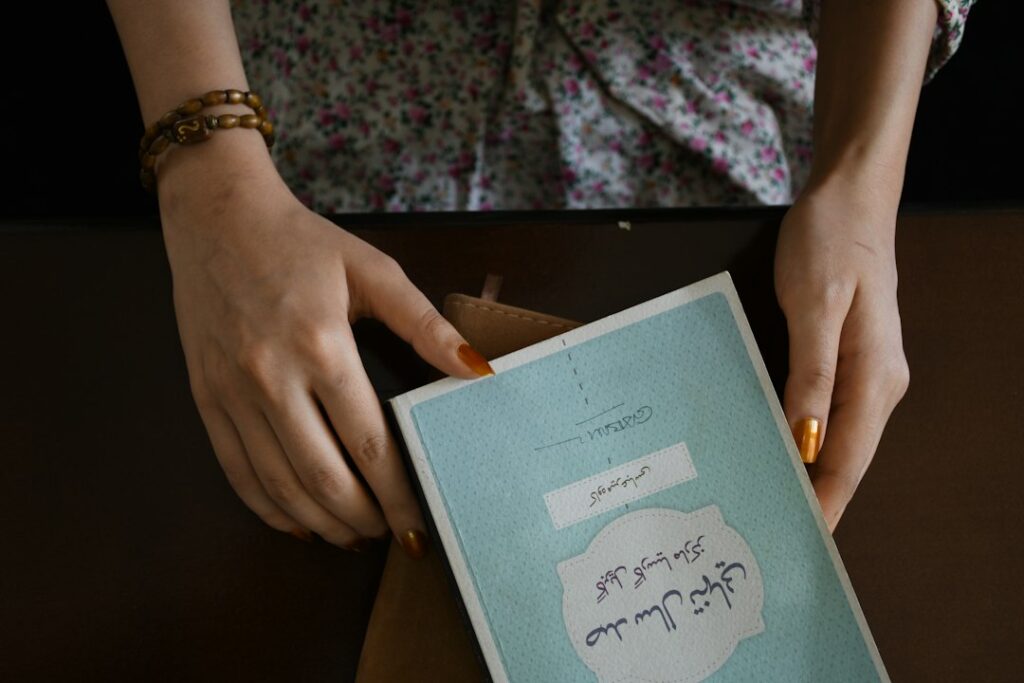
Learning conversational Hebrew becomes easier when practice is connected to ordinary situations: greeting a neighbor, asking for directions, buying groceries, making plans, or speaking with family. Short dialogues help learners recognize useful sentence patterns and build confidence before moving into longer conversations.
The examples below use modern spoken Hebrew. Each dialogue includes Hebrew, a simple pronunciation guide, and an English meaning. Pronunciation is approximate, since Hebrew sounds do not always have exact English equivalents.
How do everyday Hebrew conversations usually begin?
Most casual conversations begin with a greeting, a question about someone’s well-being, or a practical request. Hebrew speakers commonly use short, direct sentences, especially in familiar settings.
Useful greetings include:
- שלום — *Shalom* — Hello or peace
- היי — *Hai* — Hi
- בוקר טוב — *Boker tov* — Good morning
- ערב טוב — *Erev tov* — Good evening
- מה שלומך? — *Ma shlomkha?* — How are you? said to a man
- מה שלומך? — *Ma shlomekh?* — How are you? said to a woman
- בסדר, תודה — *Beseder, toda* — Fine, thank you
Dialogue: Greeting a neighbor
Hebrew
— שלום, בוקר טוב!
— בוקר טוב. מה שלומך?
— בסדר, תודה. ואיך אתה?
— גם אני בסדר.
Pronunciation
— Shalom, boker tov!
— Boker tov. Ma shlomkha?
— Beseder, toda. Ve’ekh ata?
— Gam ani beseder.
English
— Hello, good morning!
— Good morning. How are you?
— Fine, thank you. And how are you?
— I’m fine too.
The phrase גם אני means “me too” or “I am too.” It is useful in many simple exchanges.
How can someone ask for help or clarification in Hebrew?
Polite requests often begin with סליחה (*Slikha*, excuse me) or אפשר (*Efshar*, is it possible or may I?). These phrases are useful in public places, apartment buildings, schools, and community settings.
Dialogue: Asking for directions
Hebrew
— סליחה, איפה הרחוב הזה?
— הרחוב נמצא מעבר לפינה.
— אפשר ללכת ברגל?
— כן, זה קרוב מאוד.
— תודה רבה.
— בבקשה.
Pronunciation
— Slikha, eifo ha-rekhov ha-zeh?
— Ha-rekhov nimtsa me’ever la-pina.
— Efshar lalekhet ba-regel?
— Ken, ze karov me’od.
— Toda raba.
— Bevakasha.
English
— Excuse me, where is this street?
— The street is around the corner.
— Can I walk there?
— Yes, it is very close.
— Thank you very much.
— You’re welcome.
Important vocabulary:
- איפה — *Eifo* — Where
- רחוב — *Rekhov* — Street
- קרוב — *Karov* — Near or close
- ברגל — *Ba-regel* — On foot
- מעבר לפינה — *Me’ever la-pina* — Around the corner
In a walkable, relatively dense community such as Englewood, simple direction questions may arise near residential streets, schools, community buildings, or transit stops. Learners should practice both asking and understanding location words.
What Hebrew phrases are useful for shopping?
Shopping conversations are usually brief and practical. Hebrew uses כמה זה עולה? (*Kama ze oleh?*) to ask, “How much does this cost?” The word זה means “this” or “it,” while עולה means “costs.”
Dialogue: Asking about an item
Hebrew
— סליחה, כמה זה עולה?
— זה עולה עשרה שקלים.
— יש צבע אחר?
— כן, יש כחול ולבן.
— אני אקח את הכחול, בבקשה.
Pronunciation
— Slikha, kama ze oleh?
— Ze oleh asara shkalim.
— Yesh tseva akher?
— Ken, yesh kakhol ve-lavan.
— Ani ekakh et ha-kakhol, bevakasha.
English
— Excuse me, how much does this cost?
— It costs ten shekels.
— Is there another color?
— Yes, there is blue and white.
— I’ll take the blue one, please.
The same structure can be adapted to many situations:
- יש גודל אחר? — *Yesh godel akher?* — Is there another size?
- אפשר לשלם בכרטיס? — *Efshar leshalem be-kartis?* — Can I pay by card?
- אני רק מסתכל/ת — *Ani rak מסתכל/mistakel* or *mistakelet* — I’m just looking
- אני מחפש — *Ani mekhashef* — I am looking for, said by a man
- אני מחפשת — *Ani mekhashevet* — I am looking for, said by a woman
Hebrew verbs often change according to the speaker’s gender. This difference appears in phrases such as מחפש and מחפשת, as well as לוקח (*lokekh*, a man takes) and לוקחת (*lokakhat*, a woman takes).
How can learners make plans with friends or relatives?
Making plans requires a few high-frequency words: today, tomorrow, what time, where, and see you later. These phrases are useful for family routines, school schedules, and social activities.
Dialogue: Making plans

Hebrew
— מה אתה עושה היום?
— אני עובד בבוקר, אבל אני פנוי בערב.
— רוצה לשתות קפה?
— כן, בשמחה. באיזו שעה?
— בשבע.
— מצוין. נתראה בערב.
Pronunciation
— Ma ata ose ha-yom?
— Ani oved ba-boker, aval ani פנוי פנוי בערב.
— Rotse lishtot קפה?
— Ken, be-simkha. Be’eizo sha’a?
— Be-sheva.
— Metsuyan. Nitra’e ba-erev.
English
— What are you doing today?
— I work in the morning, but I’m free in the evening.
— Would you like to have coffee?
— Yes, gladly. What time?
— At seven.
— Great. See you in the evening.
Corrected pronunciation for the middle lines:
— *Ani oved ba-boker, aval ani פנוי בערב* should be read as Ani oved ba-boker, aval ani פנוי בערב?
For natural study, use:
— אני עובד בבוקר, אבל אני פנוי בערב.
— *Ani oved ba-boker, aval ani panui ba-erev.*
A female speaker would say:
— אני עובדת בבוקר, אבל אני פנויה בערב.
— *Ani ovedet ba-boker, aval ani penuya ba-erev.*
This illustrates a common feature of Hebrew: many adjectives and present-tense verb forms have masculine and feminine versions.
What can someone say during a phone call?
Phone conversations often begin by checking whether the other person can talk. A short exchange may be more natural than a long introduction.
Dialogue: Calling a family member
Hebrew
— היי, אתה יכול לדבר?
— כן, עכשיו אני יכול. מה קרה?
— רציתי לשאול אותך שאלה.
— בטח, תשאל.
— מתי אתם מגיעים?
— אנחנו מגיעים בשש.
Pronunciation
— Hai, ata yakhol ledaber?
— Ken, akhshav ani yakhol. Ma kara?
— Ratsiti lishol otkha she’ela.
— Betakh, tish’al.
— Mata אתם magi’im?
— Anakhnu magi’im be-shesh.
English
— Hi, can you talk?
— Yes, I can talk now. What happened?
— I wanted to ask you a question.
— Sure, ask.
— When are you arriving?
— We are arriving at six.
Useful alternatives include:
- אני אחזור אליך אחר כך — *Ani ekhzor elekha akhar kakh* — I’ll call you back later, said to a man
- אני אחזור אלייך אחר כך — *Ani ekhzor elayikh akhar kakh* — I’ll call you back later, said to a woman
- אני לא שומע טוב — *Ani lo shome’a tov* — I cannot hear well, said by a man
- אני לא שומעת טוב — *Ani lo shoma’at tov* — I cannot hear well, said by a woman
- תשלח לי הודעה — *Tishlakh li hoda’a* — Send me a message
Which mistakes are common for English speakers?
English speakers often try to translate word for word, but Hebrew sentence order and verb patterns do not always match English. A few reminders help:
- תודה means “thank you,” while בבקשה can mean “please” or “you’re welcome,” depending on context.
- כן means “yes,” and לא means “no.”
- Hebrew is written from right to left, but numbers and some punctuation may appear in familiar left-to-right forms.
- Present-tense verbs change for gender and number.
- The Hebrew ח sound is produced farther back in the throat than the English “h.”
- The letter ר may be pronounced differently from the English “r,” depending on the speaker.
Practice is more effective when learners repeat an entire phrase rather than memorizing isolated words. A useful routine is to read each dialogue aloud, cover the English translation, and then recreate the exchange from memory. In households and community settings, practicing one short conversation at a time can make spoken Hebrew feel more natural and easier to use in daily life.