

 See My Latest Article on HelloNation
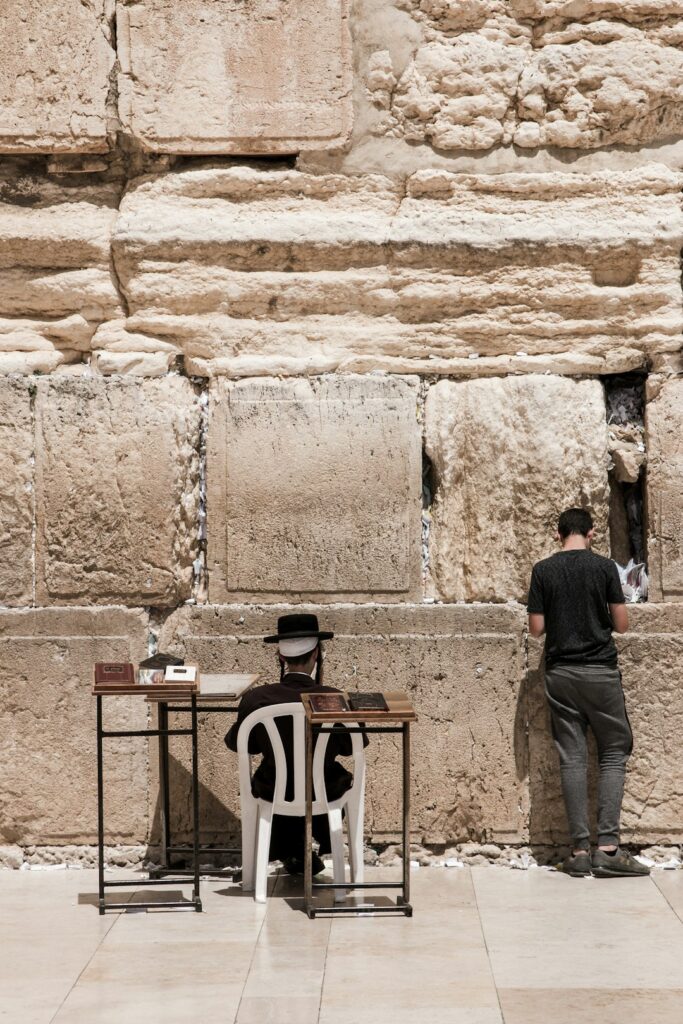
Travelers from Englewood, NJ can manage many everyday situations in Israel with a small set of Hebrew phrases. English is widely understood in tourist areas, but using a few Hebrew words shows respect, makes simple interactions easier, and helps visitors feel more confident in markets, transportation, lodging, and public spaces.
Hebrew is written from right to left, and pronunciation may vary slightly between speakers. The transliterations below are designed for practical use rather than perfect academic accuracy.
What should travelers learn first?
The most useful starting phrases are greetings, polite expressions, and short questions. These are easy to remember and apply in nearly every setting.
- Shalom — שלום — Hello, goodbye, or peace
Pronounced: *sha-LOHM*
- Boker tov — בוקר טוב — Good morning
Pronounced: *BOH-ker tohv*
- Erev tov — ערב טוב — Good evening
Pronounced: *EH-rev tohv*
- Toda — תודה — Thank you
Pronounced: *toh-DAH*
- Toda raba — תודה רבה — Thank you very much
Pronounced: *toh-DAH rah-BAH*
- Bevakasha — בבקשה — Please, or you’re welcome
Pronounced: *beh-vah-kah-SHAH*
- Slicha — סליחה — Excuse me, or I’m sorry
Pronounced: *slee-KHAH*
- Ken — כן — Yes
Pronounced: *ken*
- Lo — לא — No
Pronounced: *loh*
A helpful cultural detail is that shalom can be used both when meeting someone and when leaving. Toda and bevakasha are especially valuable because polite exchanges are central to navigating unfamiliar places.
How can visitors introduce themselves?
A simple introduction can make a conversation more comfortable, even if it lasts only a few seconds.
- Ani… — אני — I am…
Pronounced: *AH-nee*
- Ani mi-Amerika — אני מאמריקה — I am from America
Pronounced: *AH-nee mee-ah-meh-REE-kah*
- Ani medaber anglit — אני מדבר אנגלית — I speak English, traditionally used by a male speaker
Pronounced: *AH-nee meh-dah-BEHR ahng-LEET*
- Ani medaberet anglit — אני מדברת אנגלית — I speak English, traditionally used by a female speaker
Pronounced: *AH-nee meh-dah-BEH-ret ahng-LEET*
- Ma shimcha? — מה שמך? — What is your name? traditionally addressed to a male
Pronounced: *mah shim-KHAH*
- Ma shmech? — מה שמך? — What is your name? traditionally addressed to a female
Pronounced: *mah shmekh*
- Nעים מאוד, na’im me’od — נעים מאוד — Nice to meet you
Pronounced: *nah-EEM meh-OHD*
Hebrew distinguishes between masculine and feminine forms in many expressions. Visitors do not need to master the entire grammar system before traveling. Learning a few common variations is enough for basic courtesy.
What should travelers say if they do not understand?
Communication becomes easier when visitors can clearly signal that they need slower speech or another language.
- Ani lo mevin — אני לא מבין — I do not understand, traditionally used by a male speaker
Pronounced: *AH-nee loh meh-VEEN*
- Ani lo mevina — אני לא מבינה — I do not understand, traditionally used by a female speaker
Pronounced: *AH-nee loh meh-vee-NAH*
- Efshar le’at? — אפשר לאט? — Can you speak slowly?
Pronounced: *ef-SHAR le-AHT*
- Efshar lachzor? — אפשר לחזור? — Can you repeat that?
Pronounced: *ef-SHAR lah-khzor*
- Ma ze אומר? — Ma ze omer? — מה זה אומר? — What does that mean?
Pronounced: *mah zeh OH-mehr*
- Ani medaber ktsat Ivrit — אני מדבר קצת עברית — I speak a little Hebrew, traditionally used by a male speaker
Pronounced: *AH-nee meh-dah-BEHR ktsat eev-REET*
Even a limited phrase such as Ani medaber ktsat Ivrit can encourage patience and goodwill. If a conversation becomes difficult, Anglit? — אנגלית — “English?” is a simple way to ask whether the other person speaks English.
Which phrases help with directions and transportation?
Israeli cities and public spaces often use Hebrew signage, so a few directional words can be useful even when a traveler relies on maps or transit information.
- Eifo…? — איפה? — Where is…?
Pronounced: *AY-foh*
- Eifo hasherutim? — איפה השירותים? — Where is the restroom?
Pronounced: *AY-foh hah-sheh-roo-TEEM*
- Eifo hatahana? — איפה התחנה? — Where is the station or stop?
Pronounced: *AY-foh hah-tah-khah-NAH*
- Yamin — ימין — Right
Pronounced: *yah-MEEN*
- Smol — שמאל — Left
Pronounced: *smohl*
- Yashar — ישר — Straight
Pronounced: *yah-SHAR*
- Po — פה — Here
Pronounced: *poh*

- Sham — שם — There
Pronounced: *shahm*
- Karov — קרוב — Close or nearby
Pronounced: *kah-ROHV*
- Rachok — רחוק — Far
Pronounced: *rah-KHOHK*
The word sheirut can refer to a service or public facility, while sherutim commonly means restroom. Asking Eifo hasherutim? is one of the most practical phrases for travelers.
How can visitors order food or ask about prices?
Hebrew phrases are useful in cafés, markets, bakeries, and casual food settings. Travelers should know that some nouns and adjectives change according to gender, but basic phrases remain understandable even when grammar is not perfect.
- Kama ze oleh? — כמה זה עולה? — How much does this cost?
Pronounced: *KAH-mah zeh oh-LEH*
- Ani rotze… — אני רוצה — I want or would like, traditionally used by a male speaker
Pronounced: *AH-nee roht-ZEH*
- Ani rotzah… — אני רוצה — I want or would like, traditionally used by a female speaker
Pronounced: *AH-nee roht-ZAH*
- Mayim, bevakasha — מים, בבקשה — Water, please
Pronounced: *MY-eem, beh-vah-kah-SHAH*
- Cheshbon, bevakasha — חשבון, בבקשה — The bill, please
Pronounced: *khezh-BOHN, beh-vah-kah-SHAH*
- Yesh…? — יש? — Do you have…?
Pronounced: *yesh*
- Ein… — אין — There is not or there are no…
Pronounced: *ayn*
- Tov me’od — טוב מאוד — Very good
Pronounced: *tohv meh-OHD*
The Hebrew ch sound, as in cheshbon, is produced in the back of the throat, somewhat like the sound in the Scottish word “loch.” If that pronunciation is difficult, a softer version will usually still be understood.
What Hebrew phrases are useful for safety?
Most travelers will not need emergency language, but knowing a few direct words is sensible.
- Hatzilu! — הצילו! — Help!
Pronounced: *ha-TZEE-loo*
- Azara, bevakasha — עזרה, בבקשה — Help, please
Pronounced: *ez-RAH, beh-vah-kah-SHAH*
- Ani tsarich rofe — אני צריך רופא — I need a doctor, traditionally used by a male speaker
Pronounced: *AH-nee tsa-REEKH roh-FEH*
- Ani tsricha rofe — אני צריכה רופא — I need a doctor, traditionally used by a female speaker
Pronounced: *AH-nee tsree-KHAH roh-FEH*
- Ma mishtamesh? — מה משתמש? — What is being used? This is less useful in urgent situations than a direct explanation in English.
For serious emergencies, travelers should use the appropriate local emergency service and state their location clearly. A written address, lodging details, and important medical information can be more useful than relying on spoken language alone.
How should travelers practice before leaving Englewood, NJ?
Short, repeated practice is more effective than trying to memorize a large vocabulary list. Residents preparing during the colder months may find it useful to practice indoors with handwritten cards, audio recordings, or brief role-play conversations.
Focus on these situations:
- Greeting someone at a lodging reception desk
- Asking where a restroom or station is located
- Buying water or asking a price
- Explaining that Hebrew is limited
- Thanking someone for assistance
- Asking a person to repeat or slow down
Practice the phrase as a complete unit instead of translating each word separately. For example, memorize Kama ze oleh? as one expression meaning “How much does this cost?” The goal is comfortable, respectful communication—not perfect pronunciation.
A calm shalom, a sincere toda, and a willingness to try can make ordinary travel interactions smoother. English may complete the conversation, but a few Hebrew phrases often create a more welcoming beginning.