

 See My Latest Article on HelloNation
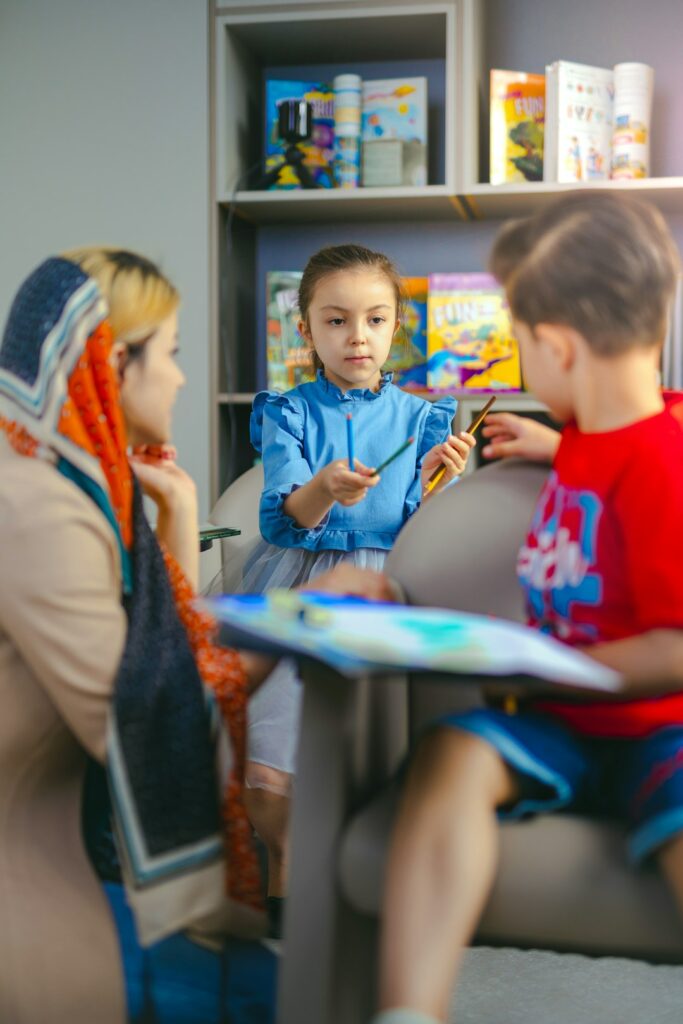
Where can residents practice conversational Hebrew without paying?
Free practice is available through audio lessons, public videos, language-exchange communities, reading tools, and everyday speaking routines. The most useful approach is not choosing one resource, but combining several formats so that listening, vocabulary, pronunciation, and spontaneous conversation develop together.
For residents in Englewood, NJ, free study can fit around school schedules, work, family responsibilities, and seasonal routines. A short daily practice session is often more sustainable than an occasional long lesson.
The goal should be active use. Reading a word list may help with recognition, but conversational ability improves when learners regularly hear Hebrew, repeat it aloud, and use it in short exchanges.
Which free resources are most useful for beginners?
A beginner usually benefits from resources that introduce modern spoken Hebrew gradually. Look for lessons that include audio, transcripts, pronunciation guidance, and everyday situations rather than isolated vocabulary alone.
Useful free options include:
- Beginner Hebrew podcasts with short dialogues
- Public video lessons that explain pronunciation and basic grammar
- Digital flashcards containing audio
- Free introductory language courses
- Printable vocabulary lists organized by topic
- Online pronunciation dictionaries
- Hebrew children’s stories or very short reading passages
Choose material that reflects modern Israeli Hebrew if the goal is everyday conversation. Biblical Hebrew and modern spoken Hebrew overlap in some areas, but they differ in pronunciation, grammar, vocabulary, and usage. A learner preparing for conversation should not assume that a religious text course will provide the same skills as a modern-language course.
How can podcasts improve speaking skills?
Podcasts are useful because they bring Hebrew into ordinary activities such as walking, commuting, cooking, or folding laundry. Even ten minutes of listening can help the ear become familiar with rhythm, sentence patterns, and frequently used expressions.
For active practice, avoid listening passively every time. Use a three-step routine:
1. Listen once for the general meaning.
2. Listen again while following a transcript or vocabulary list.
3. Pause and repeat complete sentences aloud.
Do not try to understand every word immediately. First identify familiar expressions, repeated verbs, greetings, and question forms. Over time, repeated exposure makes common phrases easier to recognize without translating each word into English.
A useful exercise is “shadowing.” Play one sentence, pause, and repeat it while copying the speaker’s pace and intonation. This builds pronunciation and speaking confidence more effectively than silently reviewing the same sentence.
Are free language apps enough to become conversational?
Free apps can help establish a routine, teach basic vocabulary, and reinforce spelling. They are less effective when used as the only form of practice because many app exercises involve selecting answers rather than creating original speech.
Use an app as a foundation, then add speaking tasks:
- Say every answer aloud before selecting it.
- Create a new sentence with each unfamiliar word.
- Record a one-minute summary of the lesson.
- Review words in both directions: Hebrew to English and English to Hebrew.
- Replace written answers with spoken answers whenever possible.
A learner who can recognize a sentence may still struggle to produce it. That gap is normal. Conversation requires retrieval under time pressure, so practice should include quick responses such as naming objects, answering simple questions, or describing what happened during the day.
How can someone find free conversation practice?
Conversation practice can begin with a language partner, a study group, or a willing friend who knows some Hebrew. Online language-exchange communities may also connect learners with people who want to practice English in return. Basic safety habits are appropriate for any online interaction: keep early conversations in the platform’s messaging system, avoid sharing private information, and use public or moderated settings for in-person meetings.
A conversation partner does not need to be a trained teacher. For beginners, the partner’s most valuable role may be providing patience, repetition, and natural exposure.
Set clear expectations before practicing:
- Speak for five minutes in Hebrew, then switch languages.
- Correct only a few errors at a time.
- Choose one topic, such as food, family, weather, or weekend plans.
- Ask the learner to repeat a corrected sentence.
- Keep a list of words that were needed but missing.
If no partner is available, practice both sides of a dialogue. Ask a question aloud, pause, and answer it. For example: “What did you do today?” “I worked, prepared dinner, and read for a few minutes.” This may feel unusual, but it develops the habit of forming sentences without waiting for a prompt from another person.
Can public library resources help with Hebrew practice?

A public library can be a useful starting point for free language-learning materials. Residents can ask about Hebrew books, audiobooks, digital language platforms, conversation programs, and interlibrary borrowing. Availability changes, so it is sensible to check the current catalog or speak with library staff.
In a community with varied household schedules and many educational interests, library resources can be especially helpful for families. Parents may look for beginner books with large print, while adult learners may prefer audio courses or graded readers.
Library materials can also support a low-cost “Hebrew corner” at home. Keep one Hebrew book, one audio source, and one notebook together so practice requires little preparation.
What daily activities can become Hebrew practice?
Everyday routines provide free opportunities to build vocabulary. Labeling a few household objects can help beginners, but conversation improves more when labels become sentences.
Try describing actions in real time:
- “I am making coffee.”
- “The window is open.”
- “The children are getting ready.”
- “I need to buy vegetables.”
- “It is cold this morning.”
Residents may also use Hebrew while walking, shopping, preparing meals, or organizing a home. Seasonal changes offer simple topics for practice, including rain, heat, shorter winter days, clothing, transportation, and family plans.
Another effective habit is keeping a short Hebrew voice diary. Record three sentences each evening about what happened that day. Do not worry about producing perfect Hebrew. After a week, listen to earlier recordings and identify words or sentence patterns that have become easier.
How should learners practice reading and pronunciation together?
Hebrew is written from right to left, and vowels are often omitted in ordinary adult texts. Beginners should therefore use materials with audio whenever possible. Hearing a word while seeing it written helps connect spelling, pronunciation, and meaning.
Start with short, fully vocalized texts, then move gradually toward ordinary writing without vowel marks. Avoid guessing pronunciation from English spelling. Hebrew consonants and vowels do not always match familiar English sounds, and some sounds require physical practice.
Reading aloud for five minutes a day is enough to build consistency. Mark words that are difficult, listen to a reliable pronunciation, and repeat them in a complete sentence rather than practicing the word alone.
What is a realistic free practice plan?
A simple weekly routine can provide steady progress:
- Five days a week: ten minutes of listening
- Three days a week: five minutes of reading aloud
- Twice a week: a short conversation or self-recorded dialogue
- Once a week: review older vocabulary instead of adding new words
- Every day: use three Hebrew sentences connected to ordinary activities
Track completed practice rather than counting how many words were memorized. A learner who listens, speaks, and reviews consistently will usually gain more conversational ability than someone who collects many resources but rarely uses them aloud.
The strongest free resources are the ones that encourage repeated, understandable contact with spoken Hebrew. A small routine built around audio, speaking, reading, and real-life topics can turn language study into a regular part of life in the community.