

 See My Latest Article on HelloNation
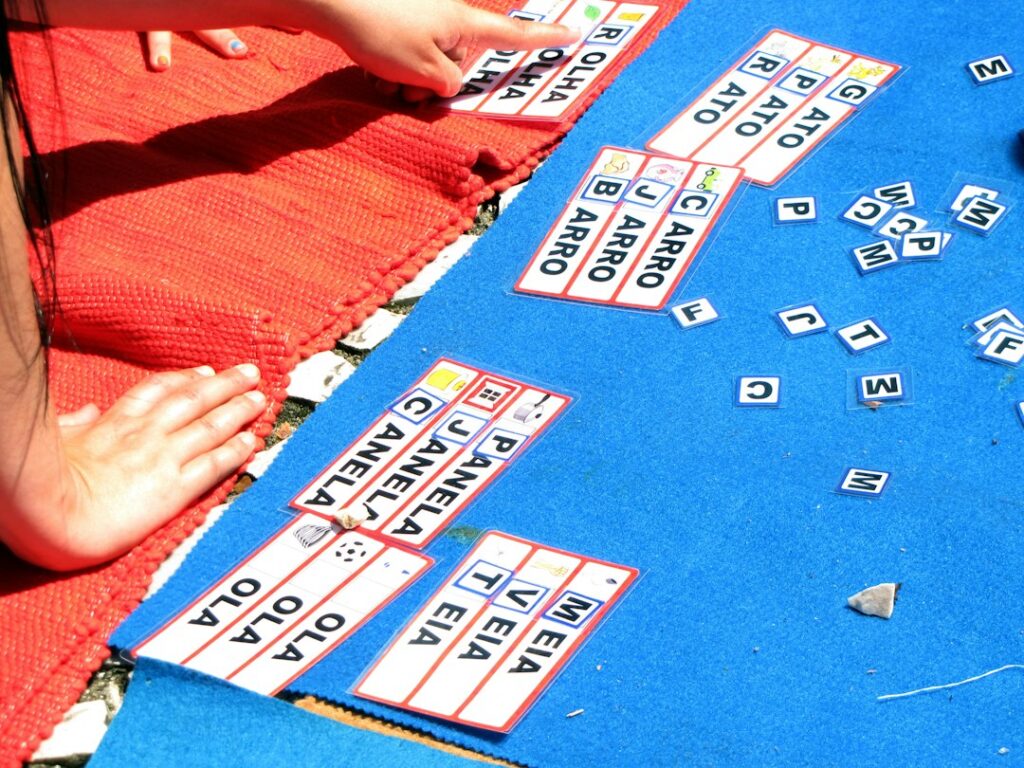
Learning Hebrew at home does not require a classroom full of materials or long study sessions. Children can build vocabulary, listening skills, early reading ability, and confidence through short games connected to ordinary routines.
For families in Englewood, NJ, home-based activities can be especially useful during rainy days, winter afternoons, school breaks, or busy weeks when a formal lesson is not practical. The most effective activities are enjoyable, repeatable, and matched to a child’s age and current level.
What makes a Hebrew activity effective for children?
A useful Hebrew activity gives children a reason to listen, speak, read, or recognize words. It should also be simple enough to repeat often without feeling like a test.
Children usually learn more successfully when an activity includes:
- A small number of target words
- Frequent repetition in different situations
- Movement, pictures, music, or objects
- A clear beginning and ending
- Opportunities to answer without fear of mistakes
A child does not need to understand every word to benefit. For example, a short game using colors can introduce the words for red, blue, green, and yellow while also practicing simple instructions such as “find,” “show,” or “bring.”
Short sessions are often more productive than occasional long ones. Five to fifteen minutes of Hebrew practice several times a week can help words become familiar, especially when the same vocabulary appears during meals, play, cleanup, and bedtime.
Which Hebrew games work well for younger children?
Younger children learn through sound, movement, imitation, and play. Activities should focus first on listening and speaking rather than spelling or grammar explanations.
Hebrew scavenger hunt
Choose three to five familiar objects and say their Hebrew names. Ask the child to find, touch, or bring each item. The objects might include a book, cup, ball, shoe, or toy.
Once the child understands the routine, add simple clues:
- “Find something red.”
- “Bring the small ball.”
- “Where is the book?”
- “Put the cup on the table.”
The goal is not to translate every sentence. Repeatedly connecting words with actions helps children understand meaning directly.
Color and shape sorting
Use household objects, paper cutouts, or blocks. Name a color or shape in Hebrew and ask the child to place the matching object in a group.
This activity can be adjusted for different levels. A beginner may only identify colors, while a more advanced child can describe objects using short phrases such as “a blue circle” or “a big red block.”
Action game
An adult gives simple Hebrew commands, and the child performs them. Useful actions include standing, sitting, jumping, clapping, walking, opening, closing, and turning around.
The game can begin with familiar commands and gradually include two-step directions. For example, a child might be asked to clap and then sit down. Physical movement helps make unfamiliar words easier to remember.
How can families practice Hebrew reading?
Reading activities should begin with recognition and sound, not pressure to read long passages. Hebrew uses a different writing system from English, so children benefit from seeing letters repeatedly in a calm, playful setting.
Letter matching
Prepare pairs of cards with Hebrew letters. Place them face down and play a memory game. Each time a child turns over a card, the letter can be named aloud.
For children who are beginning to read, pair a letter with a picture or a familiar word. Older children can match printed and handwritten forms, since Hebrew letters may look different depending on the typeface or writing style.
Word-picture match
Choose a small set of familiar words, such as family members, animals, foods, or clothing. Place the Hebrew word beside a matching picture.
Do not introduce too many words at once. Four or five cards are enough for a first round. After the child becomes comfortable, mix the cards and ask the child to match them again or use one word in a short spoken phrase.
Hebrew label hunt
Place temporary Hebrew labels on ordinary objects around the home. A label might identify a door, window, table, chair, book, or bed. Invite the child to read or recognize one or two labels during daily routines.
Labels should be changed periodically so that the activity remains active rather than becoming background decoration. Children can also draw their own labels, which adds writing practice.
What games help children speak Hebrew without feeling pressured?
Speaking practice is easier when children are responding to a game rather than performing for an adult. Questions should be predictable and allow several kinds of answers, including gestures or single words.

Guess the object
Hide an object in a bag. The child feels it without looking and answers simple questions about its size, texture, or use. The adult can model words before asking the child to respond.
For beginners, the child may only identify the object after it is revealed. More advanced learners can offer clues in Hebrew.
Hebrew bingo
Create bingo cards with pictures, letters, or words. Call out the Hebrew term, and children cover the matching square. Picture bingo is appropriate for beginners; word bingo can support reading development.
The same cards can be reused for categories such as food, animals, clothing, household items, or holiday vocabulary.
Choice questions
Offer two choices in Hebrew rather than asking a broad question. For example, a child may choose between an apple and a banana, a blue cup and a red cup, or a book and a puzzle.
Choice questions reduce the pressure to produce a complete sentence. Over time, the adult can expand the child’s answer into a fuller phrase without interrupting the flow of the activity.
How can Hebrew fit into daily routines?
Daily routines provide natural repetition because the same actions happen again and again. A few Hebrew words used consistently can be more useful than a large vocabulary list practiced only once.
During meals, children can practice words for food, utensils, hunger, thirst, and requests. During dressing, families can name clothing items and colors. During cleanup, simple action words can be repeated while objects are put away.
Bedtime can include a short Hebrew story, a familiar song, or a review of three words from the day. The purpose is regular exposure, not completing a formal lesson.
In homes with limited space, movement games can take place in a hallway, bedroom, or living area. During colder months, indoor activities such as card matching, puppet conversations, and object hunts can provide physical and language practice without requiring special equipment.
Should children learn Hebrew grammar through games?
Young children usually benefit from hearing correct sentence patterns before receiving formal grammar explanations. Games can provide this exposure naturally.
For example, a repeated pattern such as “I see a…” or “I want…” allows children to hear how words fit together. Adults can respond by modeling the correct form instead of stopping play to correct every error.
Mistakes are a normal part of language learning. If a child uses an English word inside a Hebrew sentence, the adult can supply the Hebrew word and continue the conversation. Gentle modeling keeps communication successful while gradually expanding vocabulary.
How often should Hebrew games be used?
Consistency matters more than length. A practical routine might include a brief game several times each week, with one or two familiar activities repeated until the child becomes comfortable.
It is helpful to rotate the purpose of each session:
- Listening and movement on one day
- Vocabulary cards on another day
- Reading or letter recognition later in the week
- A song, story, or pretend-play activity on the weekend
Children may lose interest if every activity is treated as a lesson. Alternating structured games with free play, drawing, cooking, music, or storytelling keeps Hebrew connected to enjoyable experiences.
The strongest home activities are simple enough to repeat, flexible enough to fit different ages, and connected to language children can use immediately. Hebrew becomes more familiar when it appears not only on worksheets, but also in games, choices, movement, stories, and ordinary family routines.